- 6
- 0
- 0
- 0
- 0


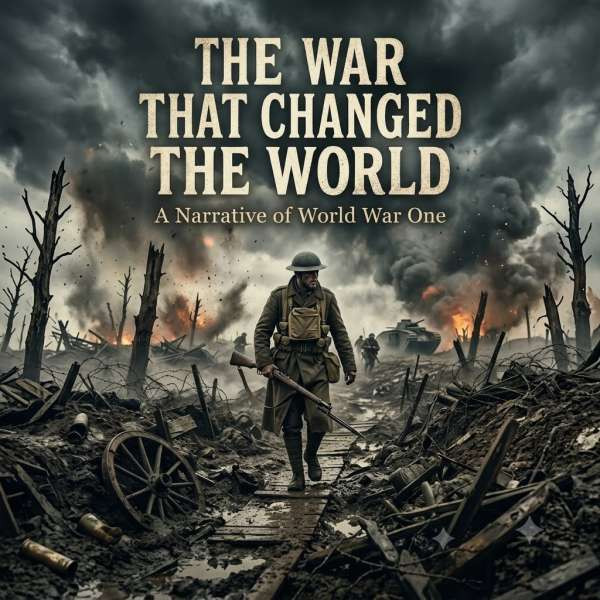
The War that Changed the World
Nationalism, a potent force throughout history, played a crucial role in shaping the events leading up to and during World War One. It stirred fervent sentiments among nations, encouraging unity and pride, yet simultaneously sowing seeds of division and conflict. As countries sought to assert their dominance and identity, the ideological fervour of nationalism fuelled rivalries that would culminate in a catastrophic war. This period marked a significant turning point, as patriotic fervour overshadowed rational diplomacy, leading nations down a path of destruction.
Nationalism, a potent force throughout history, played a crucial role in shaping the events leading up to and during World War One. It stirred fervent sentiments among nations, encouraging unity and pride, yet simultaneously sowing seeds of division and conflict. As countries sought to assert their dominance and identity, the ideological fervour of nationalism fuelled rivalries that would culminate in a catastrophic war. This period marked a significant turning point, as patriotic fervour overshadowed rational diplomacy, leading nations down a path of destruction.
The War that Changed the World
A narrative of world war one
Chapter 1: The Prelude to Conflict
The Long Shadow of Nationalism
Nationalism, a potent force throughout history, played a crucial role in shaping the events leading up to and during World War One. It stirred fervent sentiments among nations, encouraging unity and pride, yet simultaneously sowing seeds of division and conflict. As countries sought to assert their dominance and identity, the ideological fervour of nationalism fuelled rivalries that would culminate in a catastrophic war. This period marked a significant turning point, as patriotic fervour overshadowed rational diplomacy, leading nations down a path of destruction.
The assassination of Archduke Franz Ferdinand in 1914 serves as a stark example of how nationalism can ignite violence. The action, motivated by nationalist aspirations for Slavic independence, triggered a chain reaction of alliances and militarisation. Countries were drawn into the conflict not merely for self-defence but to uphold national honour and assert their superiority. The ensuing chaos transformed a regional dispute into a full-scale global war, illustrating the perilous nature of unchecked nationalism and its ability to escalate tensions rapidly.
As the war progressed, the concept of nationalism evolved, becoming intertwined with militarism and imperialism. Nations poured resources into the war effort, driven by a desire to emerge victorious and bolster their national prestige. Propaganda played a significant role in this transformation, painting the enemy as the embodiment of evil while glorifying one’s own nation as a bastion of virtue. This propaganda not only mobilised soldiers but also ensured civilian support, reinforcing the narrative that the war was a fight for national survival and honour.
The aftermath of the war left a legacy deeply influenced by nationalist sentiments. The Treaty of Versailles, designed to establish peace, instead sowed further discord by redrawing borders and imposing harsh reparations. National identities were reshaped as new countries emerged, often at the expense of established empires. The discontent that brewed in the wake of these changes would ultimately lay the groundwork for future conflicts, demonstrating how the long shadow of nationalism continued to loom over Europe and the world.
In reflecting on World War One, it becomes evident that nationalism was both a motivator and a destructive force. The war highlighted the duality of national pride: while it can unify, it can also lead to devastating consequences when taken to extremes. As we study this pivotal moment in history, it is crucial to understand the complexities of nationalism and its far-reaching impacts, reminding us that the lessons of the past must inform our approach to global relations in the present and future.
Alliances and Tensions
The alliances formed prior to World War One played a crucial role in the unfolding of the conflict. The intricate web of agreements between nations created a situation where a localised dispute could escalate into a global war. The Triple Alliance of Germany, Austria-Hungary, and Italy stood in opposition to the Triple Entente of France, Russia, and Britain. This division not only set the stage for war but also shaped the strategies and expectations of the nations involved. Each country believed that their alliances would provide them with the security needed to engage in military action without fear of overwhelming retaliation.
As the war progressed, these alliances were tested in ways that many had not anticipated. The initial expectations of a swift victory were dashed as trench warfare entrenched both sides in a grueling stalemate. Countries like Italy, initially allied with the Central Powers, switched sides in 1915, seeking to expand their territory and influence. This shift added to the complexities of the conflict, as nations sought to redefine their alliances to better their positions in a rapidly changing war landscape. Tensions rose not only between rival powers but also within alliances as national interests often clashed with collective goals.
The entry of the United States into the war in 1917 further complicated the dynamics of alliances. Initially neutral, America’s involvement shifted the balance of power and provided the Allies with much-needed resources and manpower. This new alliance brought with it fresh hopes for a resolution to the conflict, but it also sparked tensions among the existing Allies. The differing war aims of the United States and its European counterparts highlighted the challenges of maintaining unity within a diverse coalition. Each nation had its own vision for peace, and this divergence threatened to unravel the cooperative efforts that had been forged in the heat of battle.
The post-war landscape was marked by the fallout of these alliances, as nations grappled with the consequences of their wartime partnerships. The Treaty of Versailles in 1919 sought to establish a new world order but also sowed the seeds for future conflicts. Countries that felt betrayed or inadequately compensated for their sacrifices during the war began to reconsider their alliances, leading to a reconfiguration of international relations. The tensions that emerged from unresolved grievances and shifting loyalties would set the stage for the next major global conflict.
In summary, the alliances formed during World War One were both a source of strength and a catalyst for tension. The interplay between cooperation and conflict among nations highlighted the complexities of international relations in a time of war. As countries navigated their allegiances and rivalries, the consequences of these dynamics would profoundly shape the course of history. Understanding the nature of these alliances and the tensions they engendered is essential to grasping the full impact of the war on the modern world.
The Assassination of Archduke Franz Ferdinand
The assassination of Archduke Franz Ferdinand of Austria on June 28, 1914, is widely regarded as the event that ignited the flames of World War One. The Archduke and his wife, Sophie, were visiting Sarajevo, the capital of Bosnia and Herzegovina, when they fell victim to a conspiracy orchestrated by a group of young Bosnian Serb nationalists. This group, known as the Black Hand, sought to promote the cause of Serbian nationalism and viewed the assassination as a means to challenge Austro-Hungarian authority in the Balkans. The act of violence was not merely an isolated incident; it was a culmination of simmering tensions in a region fraught with ethnic rivalries and political instability.
On that fateful day, the couple's visit was marred by chaos. The initial assassination attempt failed when a grenade thrown by one of the conspirators missed its target, injuring bystanders instead. However, fate intervened later when their driver took a wrong turn and inadvertently drove them past the café where another conspirator, Gavrilo Princip, was waiting. Seizing the opportunity, Princip fired two shots that struck Franz Ferdinand and Sophie, killing them both instantly. This shocking event sent shockwaves across Europe and set in motion a series of diplomatic crises that would lead to the outbreak of war.
The assassination had profound implications for the delicate balance of power in Europe. In the wake of the tragedy, Austria-Hungary issued an ultimatum to Serbia, demanding an investigation and crackdown on anti-Austrian activities. Serbia's response, while conciliatory, failed to satisfy the demands of the Austro-Hungarian Empire. This refusal to comply fully with the ultimatum was interpreted by Vienna as a declaration of war, leading to a cascade of alliances being activated and countries mobilising for conflict. The assassination thus acted as a catalyst, turning regional tensions into a global conflagration.
As the world plunged into war, the assassination of the Archduke was often cited as the primary trigger for the conflict. However, it is essential to understand that deeper issues, such as nationalism, imperialism, and militarism, had been brewing for decades. The complex web of alliances, including the Triple Alliance and Triple Entente, further complicated the situation, as nations were drawn into the fray, often without a clear understanding of the consequences. The assassination underscored how a single event could escalate into a full-scale war, highlighting the fragility of peace in a volatile world.
Ultimately, the assassination of Archduke Franz Ferdinand marked the beginning of a tumultuous era that would reshape the world. The war that ensued resulted in unprecedented loss of life and significant geopolitical changes. It dismantled empires and redrew national borders, leaving a legacy that still influences international relations today. The tragic fate of the Archduke and his wife serves as a poignant reminder of how individual actions can have far-reaching ramifications in the grand tapestry of history.
Chapter 2: The Outbreak of War
Mobilisation and Declarations
The onset of World War One was marked by a wave of mobilisation across Europe, as nations prepared for what many anticipated would be a short and decisive conflict. Governments called upon their citizens to serve, invoking national pride and a sense of duty. In Britain, the declaration of war on Germany in August 1914 triggered an immediate response, with men flocking to enlist, inspired by patriotic fervour and the belief in a noble cause. Recruitment drives were launched, and towns and cities filled with enlistment posters, urging young men to join the fight for their country.
As mobilisation progressed, the scale of the war became evident. The initial excitement soon gave way to the harsh realities of trench warfare and the staggering loss of life. The armies of Europe were quickly transformed from peacetime forces into massive war machines, as millions donned uniforms and prepared for battle. In Germany, the Schlieffen Plan was put into action, aiming for a rapid victory over France before turning to the Eastern Front. This strategy, however, was met with fierce resistance, leading to a protracted and bloody stalemate that would define much of the war.
Declarations of war were not merely formalities; they represented a profound shift in the political landscape of Europe. Each nation’s decision was influenced by alliances and treaties, as well as the desire to assert power and influence. The complex web of alliances meant that once one country declared war, others were drawn in almost inexorably. Austria-Hungary’s declaration against Serbia set off a chain reaction, bringing in allies and enemies alike, and transforming a regional conflict into a global war.
Women played a crucial role during this period of mobilisation, stepping into roles traditionally held by men who had gone off to fight. They worked in factories, served as nurses, and took on the responsibilities of maintaining homes and communities. This shift not only changed the societal landscape but also laid the groundwork for future movements toward gender equality. The contributions of women during the war would be recognised in the years to come, highlighting their vital role in the war effort.
In conclusion, the mobilisation and declarations at the outset of World War One were pivotal moments that set the stage for a conflict that would reshape the world. The fervour and idealism that characterised the initial responses were soon tempered by the grim reality of war. As nations committed themselves to the fight, the consequences of their decisions became increasingly apparent, marking the beginning of a new chapter in history, one filled with both unprecedented destruction and the seeds of change.
The Schlieffen Plan
The Schlieffen Plan, devised by German General Count Alfred von Schlieffen, was a military strategy aimed at avoiding a two-front war against France and Russia during the early stages of World War One. The plan's core principle was to quickly defeat France through a rapid invasion via Belgium, then redirect forces to the Eastern Front to confront Russia, which was expected to mobilise more slowly. This strategy hinged on the assumption that a decisive victory in the west would allow Germany to concentrate its efforts against the slower-moving Russian forces in the east.
Upon its implementation in August 1914, the Schlieffen Plan initially met with success as German troops advanced into Belgium and then into France. However, the plan faced significant challenges, notably the unexpected resistance from Belgian forces and the quick mobilisation of British and French troops. The German advance was slowed, causing a critical delay that ultimately undermined the plan's intended rapid success. This shift in momentum allowed the Allies to regroup and counterattack, leading to the First Battle of the Marne, which halted the German advance just outside Paris.
One of the key issues with the Schlieffen Plan was its reliance on speed and surprise, which proved difficult to achieve in the face of logistical challenges and the unforeseen resilience of the Allied forces. The German High Command underestimated the level of coordination among the Allies and overestimated the effectiveness of their own forces. As the war dragged on, the initial hopes for a swift victory faded, resulting in a prolonged and grueling conflict that neither side had anticipated.
The failure of the Schlieffen Plan had far-reaching consequences, leading to a stalemate on the Western Front and the establishment of trench warfare. This shift transformed the nature of combat during World War One, as both sides dug in for a war of attrition rather than the quick offensives originally envisioned. The inability to achieve a decisive victory led to increased casualties and a protracted conflict that would claim millions of lives.
In retrospect, the Schlieffen Plan is often viewed as a critical miscalculation that shaped the course of the war. It illustrates the dangers of overly ambitious military strategies that do not account for the complexities of warfare. The lessons learned from its failure continue to resonate in military strategy and history, reminding future generations of the importance of flexibility and adaptability in the face of unforeseen challenges.
Early Battles: Marne and Tannenberg
The early battles of World War One, particularly the First Battle of the Marne and the Battle of Tannenberg, marked pivotal moments that would shape the course of the war. The Marne, fought from September 6 to 12, 1914, saw the Allied forces halt the German advance into France. The significance of this battle cannot be overstated, as it not only saved Paris but also marked the beginning of trench warfare that would dominate the Western Front for years to come. The strategic brilliance displayed by the Allies in this engagement demonstrated their resolve to defend their territory against formidable foes.
Conversely, the Battle of Tannenberg, which unfolded from August 26 to 30, 1914, represented a significant victory for Germany against the Russian Empire. General Paul von Hindenburg and General Erich Ludendorff orchestrated a masterful encirclement of Russian forces, resulting in a catastrophic defeat for the Tsar's army. This battle highlighted the effectiveness of German military strategy and the challenges faced by the Russians in their attempts to mobilise and coordinate their troops effectively.
Both battles showcased the stark contrasts in military capabilities and strategies among the nations involved. At the Marne, the Allies relied on rapid mobilisation and effective communication to counter the German onslaught, while at Tannenberg, the Germans capitalised on their superior training and tactical acumen to outmanoeuvre the Russians. These early encounters set the tone for the brutal and protracted conflict that was to follow, emphasising the importance of logistics and command in modern warfare.
The aftermath of these battles also had significant implications for the morale of the respective armies and their nations. The victory at the Marne bolstered Allied confidence, fostering a sense of unity and purpose among the French and British forces. In contrast, the defeat at Tannenberg had a demoralising effect on the Russian troops, leading to a crisis in leadership and further setbacks on the Eastern Front. Such early victories and defeats would resonate throughout the war, influencing strategies and national sentiments.
In retrospect, the early battles of Marne and Tannenberg laid the groundwork for the larger narrative of World War One. They encapsulated the strategic complexities and the high stakes involved in this global conflict. The lessons learned from these engagements would inform military strategies and shape the conduct of the war, ultimately leading to a re-evaluation of tactics and alliances in the years that followed. The legacies of these battles continue to be studied and remembered as fundamental moments in military history.
Chapter 3: Life in the Trenches
The Reality of Trench Warfare
Trench warfare emerged as a defining characteristic of World War One, fundamentally altering the nature of combat. Soldiers found themselves in a grueling stalemate, entrenched in muddy, rat-infested ditches that stretched across the Western Front. These trenches were not mere defensive positions; they became a second home for many, where the line between life and death was perpetually blurred. The harsh realities of this environment led to a significant psychological toll on the troops, fostering a sense of despair and hopelessness amidst the relentless artillery fire.
The conditions within the trenches were dire, as soldiers battled not only the enemy but also the elements. Waterlogged fields, freezing temperatures, and the constant threat of disease plagued the men who fought in these conditions. Lice, trench foot, and infections were rampant, turning the trenches into breeding grounds for suffering. The lack of proper sanitation and medical care exacerbated these issues, leading to high rates of illness and mortality that were often overlooked by those commanding the war effort.
Communication and logistics posed additional challenges in this chaotic environment. Orders were often relayed through the confusion of battle, creating delays that could cost lives. Supply lines were frequently disrupted, and the delivery of essential provisions became a logistical nightmare. Soldiers relied on rationing and ingenuity to survive, but the constant scarcity of food and ammunition strained morale, compounding the psychological impact of trench life.
Despite the horrors, moments of camaraderie and humanity emerged in the trenches. Soldiers from both sides occasionally shared a fleeting connection, united by their shared suffering and longing for home. These interactions, although rare, served as reminders of the common humanity that transcended the brutal reality of war. Letters and photographs exchanged between soldiers and their families were lifelines, providing solace and a glimpse of life beyond the trenches.
Ultimately, the reality of trench warfare encapsulated the futility of World War One, where the cost of human life was measured in millions for mere inches of territory. The psychological scars left on those who survived this grueling experience would endure long after the war's end, shaping the collective memory of a generation. The trenches became more than just battlegrounds; they symbolised the profound impact of warfare on society and the enduring legacy of conflict that would echo through history.
Daily Life for Soldiers
Daily life for soldiers during World War One was marked by a routine that was both monotonous and harrowing. Each day began early, often before dawn, with soldiers rising from their makeshift beds in muddy trenches. The morning typically involved a brief inspection and the assignment of duties, which could range from digging and maintenance work to preparing rations. The constant presence of danger loomed over every task, as artillery fire and enemy attacks were ever-present threats that could disrupt even the simplest of routines.
As the day progressed, soldiers would engage in various activities to maintain their physical and mental health amidst the chaos of war. Some would partake in drills and training exercises to keep their skills sharp, while others sought solace in camaraderie with their fellow soldiers. Moments of levity were scarce but cherished, as men shared stories, played games, or wrote letters to loved ones back home. These small distractions provided a much-needed respite from the grim realities of trench warfare.
Food was a critical aspect of daily life, often consisting of meagre rations that were not always reliable. Soldiers commonly relied on tinned goods, hard biscuits, and whatever additional supplies they could scavenge or trade. The lack of proper nutrition took a toll on their health, leading to malnutrition and illness. Cooking was often a communal affair, with soldiers gathering around makeshift stoves to prepare whatever they could manage, sharing both the food and the burden of their shared experiences.
Nightfall brought with it a new set of challenges, as darkness enveloped the battlefields and tension heightened. Soldiers were often required to stand guard, listening intently for any sounds that indicated an impending attack. Sleep was a luxury that many could not afford, with the ever-present fear of gas attacks and enemy incursions keeping them on high alert. Despite the exhaustion, the bonds forged in these perilous moments fostered a sense of unity and resilience among the men.
Ultimately, the daily life of soldiers during World War One was a complex blend of hardship and camaraderie. The relentless grind of trench warfare tested their endurance and spirit, yet the friendships formed in the face of adversity often provided the strength needed to endure. It was a life defined by the stark realities of war, yet also illuminated by the moments of humanity that persisted even in the darkest of times.
The Psychological Impact of War
The psychological impact of war, particularly during World War One, reverberated through the lives of soldiers and civilians alike. Many servicemen returned home bearing not just physical wounds but deep psychological scars, often described as shell shock. This condition, now understood as post-traumatic stress disorder (PTSD), revealed the war's profound effect on mental health, challenging the stoic ideals of masculinity prevalent at the time and exposing the vulnerabilities of those who had witnessed unspeakable horrors.
Civilians were not spared from the psychological turmoil either. The war disrupted communities, leading to a pervasive sense of loss and grief that permeated society. Families endured the heartache of lost loved ones and the anxiety of uncertainty regarding those still in combat. Propaganda and media often painted a glorified image of war, yet the stark reality left many grappling with despair, confusion, and a feeling of helplessness as they faced the consequences of such widespread devastation.
In the aftermath, the stigma surrounding mental health began to erode, albeit slowly. The war catalysed discussions about mental well-being that had previously been hushed. Support systems began to emerge, acknowledging that healing required more than just physical recovery. This gradual acceptance marked a significant shift in societal attitudes towards mental health, paving the way for future generations to better understand and address psychological issues stemming from traumatic experiences.
Furthermore, the war's psychological impact extended beyond individual experiences; it transformed the very fabric of society. The shared trauma created a collective consciousness that reshaped cultural narratives and artistic expressions. Literature, music, and art from this era often reflected the disillusionment and anguish felt by many, serving as a poignant reminder of the war's lasting emotional scars.
Ultimately, the psychological impact of World War One underscored the complexities of human resilience in the face of adversity. It highlighted the importance of recognising and addressing mental health in both individual and societal contexts. As we reflect on this historical period, it becomes clear that the echoes of war continue to influence how we perceive and respond to the psychological ramifications of conflict today.
Chapter 4: The Global Theatre of War
The Western Front
The Western Front during World War One emerged as a pivotal battleground, shaping the course of the conflict and the lives of millions. It was characterised by trench warfare, where soldiers faced the grim realities of life in the trenches, enduring harsh weather, disease, and the constant threat of enemy fire. The landscape was scarred by artillery bombardments, creating a hellish environment that became synonymous with the war experience for many combatants.
The front stretched from the North Sea to the Swiss border, and its vastness made it a complex theatre of war. Major battles, such as the Somme and Verdun, exemplified the brutal stalemate that defined this area. These confrontations not only resulted in staggering casualties but also highlighted the futility of the tactics employed, as soldiers often charged into machine gun fire with little hope of success. The sheer scale of loss left a profound impact on the nations involved, embedding the Western Front in collective memory.
As the war progressed, technological advancements changed the nature of combat on the Western Front. The introduction of tanks, machine guns, and chemical weapons meant that traditional methods of warfare became increasingly obsolete. This shift not only altered the strategies employed by both sides but also intensified the suffering of those caught in the crossfire. The psychological toll on soldiers was immense, leading to conditions such as shell shock, which was poorly understood at the time.
The involvement of various nations on the Western Front illustrated the global implications of World War One. Soldiers from the British Empire, French forces, and later, American troops, all contributed to the fight. This international aspect created a unique camaraderie among troops from different backgrounds, yet it also highlighted the stark differences in experiences and expectations from home. The convergence of diverse cultures on the battlefield added a layer of complexity to the war’s narrative.
Ultimately, the Western Front became a symbol of the war’s devastation and the resilience of human spirit. The lessons learned from this theatre of conflict would shape military strategy and international relations for decades to come. As we reflect on the events that transpired, it is essential to remember not only the battles fought but also the lives changed forever by the harrowing experiences on the Western Front.
The Eastern Front
The Eastern Front during World War One was a vast and complex theatre of conflict that spanned from the Baltic Sea in the north to the Black Sea in the south. Unlike the static trench warfare that characterised the Western Front, the Eastern Front witnessed more fluid movements of troops and a series of significant battles that reshaped the political landscape of Eastern Europe. This theatre was marked by the involvement of the Central Powers, particularly Germany and Austria-Hungary, against the Allies, primarily Russia, which faced immense challenges due to logistical issues and internal strife.
One of the pivotal moments on the Eastern Front was the Battle of Tannenberg in 1914, where German forces decisively defeated the Russians, showcasing superior tactics and the effective use of railways for troop movements. This victory not only bolstered German morale but also significantly weakened Russian military capabilities. The battle highlighted the strategic importance of supply lines and communication in warfare, which would become a recurring theme throughout the conflict.
As the war progressed, the Eastern Front became a theatre of attrition, with both sides suffering heavy casualties. The harsh conditions, including brutal winters and inadequate supplies, took a toll on the troops. Furthermore, the Russian Revolution in 1917 added a new layer of complexity, as the collapse of the Tsarist regime led to a shift in focus from fighting the war to dealing with internal upheaval. This political turmoil ultimately paved the way for the Treaty of Brest-Litovsk in 1918, which saw Russia exit the war and cede significant territory to the Central Powers.
The impact of the Eastern Front extended beyond military engagements; it influenced the socio-political landscape of Eastern Europe. The war exacerbated nationalistic sentiments, leading to the emergence of new nation-states and the redrawing of borders. Countries like Poland and Ukraine sought independence, driven by the chaos of war and the decline of empires, particularly the Austro-Hungarian and Russian Empires. These developments would shape the future of Europe in the interwar period and beyond.
In conclusion, the Eastern Front was not merely a backdrop for military operations but a crucible of change that significantly altered the course of history. Its legacy can be seen in the rise of new nations and the reshaping of political ideologies in the region. Understanding the complexities of this theatre of war is essential for comprehending the broader implications of World War One and its enduring impact on the 20th century.
Colonial Involvement and the Global War
The involvement of colonial powers in the First World War dramatically altered the landscape of global conflict. Empires such as Britain and France drew upon their vast overseas territories for resources, manpower, and strategic advantages. This reliance on colonies not only expanded the war's geographical reach but also brought diverse cultures and peoples into the fray, many of whom had little understanding of the European tensions that ignited the war. As soldiers from Africa, Asia, and the Caribbean fought alongside their colonial rulers, the war became a complex tapestry of loyalty, sacrifice, and ambition beyond national borders.
Colonial troops played crucial roles in various theatres of the war, from the trenches of France to the deserts of the Middle East. The British Indian Army, for instance, contributed significantly to the war effort, with hundreds of thousands of Indian soldiers serving in various capacities. Their participation not only highlighted the military prowess of colonial subjects but also raised questions about the nature of imperialism and the rights of those who fought for their colonial masters. As these men faced the horrors of modern warfare, their experiences would later fuel movements for independence and self-determination.
The war also spurred changes in colonial policy as nations grappled with the realities of global conflict. The need for resources and troops led to promises of reform and greater autonomy in many colonies, as colonial powers sought to maintain loyalty among their subjects. However, these promises were often unfulfilled, leading to disillusionment among those who had fought valiantly. The disparity between the sacrifices made by colonial soldiers and the lack of recognition of their contributions fostered a growing desire for change in the post-war era.
Additionally, the war catalysed a shift in global power dynamics, as colonial empires began to weaken and face increasing challenges from nationalist movements. The aftermath of the war saw a surge in independence movements across Asia and Africa, as former colonies sought to assert their identities and rights in the face of colonial rule. The impact of colonial involvement in the war was profound, laying the groundwork for future struggles and the eventual dismantling of empires.
In conclusion, the colonial involvement in World War One was not merely a footnote in the annals of history; it was a pivotal factor that shaped the course of the war and its aftermath. The contributions of colonial troops, the promises made by imperial powers, and the subsequent quest for independence all highlighted the complex interplay between war and colonialism. As we reflect on this period, it is essential to recognise the lasting legacies of these events, which continue to influence global relations today.
Chapter 5: Technological Advancements
The Rise of Modern Weaponry
The early 20th century marked a significant turning point in military technology, as nations began to realise the devastating potential of modern weaponry. World War One was a theatre where traditional warfare collided with new innovations, leading to unprecedented destruction. The introduction of machine guns, artillery, and chemical weapons transformed the battlefield, shifting the nature of combat and strategies employed by armies. This era was characterised by a race to develop more efficient and lethal weapons, fundamentally changing the course of warfare.
Machine guns, first used on a large scale during this conflict, exemplified the lethal efficiency of modern weaponry. Capable of firing hundreds of rounds per minute, they rendered traditional infantry tactics obsolete. Soldiers found themselves trapped in trenches, facing relentless barrages that made advancing almost impossible. The psychological impact of this technological leap was profound, instilling fear and despair in the hearts of soldiers who understood that they were no longer fighting a fair battle.
Artillery also underwent a radical transformation during World War One, with advancements leading to the development of heavy howitzers and long-range guns. These weapons could bombard enemy positions from great distances, causing significant casualties before troops even reached the front lines. The destructive power of artillery changed the landscape of warfare, leading to the infamous practice of 'creeping barrages' designed to protect advancing infantry while laying waste to enemy fortifications.
Chemical weapons introduced another harrowing aspect of modern warfare. First deployed by the Germans in 1915, poison gases such as chlorine and mustard gas caused horrific injuries and deaths, instilling terror among troops. The use of these weapons raised ethical questions that persist to this day, as they were indiscriminate and often left lasting effects on survivors. The horrors of chemical warfare demonstrated the lengths to which nations would go to gain an advantage, further highlighting the moral implications of modern weaponry.
As the war progressed, so too did the innovation of weaponry, leading to the development of tanks and aircraft that would forever alter the battlefield. Tanks broke the stalemate of trench warfare, allowing for mobility and decisive engagements. Meanwhile, aircraft began to play vital roles in reconnaissance and strategic bombing. The rise of modern weaponry during World War One not only dictated the flow of the conflict but also set the stage for future military technologies, influencing warfare for generations to come.
Aviation and Aerial Warfare
The advent of aviation during World War One marked a significant turning point in military strategy and tactics. Initially, aircraft were employed primarily for reconnaissance, providing commanders with crucial information about enemy movements and fortifications. However, as the war progressed, the capabilities of these flying machines evolved rapidly, leading to the development of aerial combat. Fighter planes and bombers began to play vital roles in shaping the outcome of battles, making the skies a new frontier of warfare.
One of the most notable aspects of aerial warfare was the emergence of dogfights, where fighter pilots engaged in thrilling battles for air superiority. Pilots became celebrated heroes, with names like Manfred von Richthofen, known as the Red Baron, becoming synonymous with aerial prowess. These encounters were not only about technical skill but also about bravery and strategy, as pilots had to navigate the perils of enemy fire and mechanical failure while executing complex manoeuvres in the air.
Bombing raids also became a key tactic, targeting enemy infrastructure, supply lines, and troop concentrations. The psychological impact of aerial bombardment was immense, instilling fear and uncertainty among both military personnel and civilians. Cities like London experienced the terror of Zeppelin raids, while the Allies developed strategic bombing campaigns aimed at crippling the Central Powers’ war efforts. This shift towards offensive air operations illustrated the changing nature of warfare as nations sought to gain the upper hand from above.
Technological advancements played a crucial role in the evolution of aviation during the war. Innovations such as synchronised machine guns, which allowed pilots to fire through their propellers without hitting the blades, significantly enhanced combat effectiveness. Furthermore, the development of more reliable and powerful engines enabled longer flights and greater payload capacities for bombers. These advancements set the stage for future conflicts, as the lessons learned in World War One would influence air strategies in subsequent wars.
In conclusion, aviation and aerial warfare became integral components of military operations during World War One. The conflict not only highlighted the importance of air power but also transformed how wars would be fought in the future. As nations harnessed the potential of the skies, they redefined the battlefield, demonstrating that control of the air could be as crucial as control of the land or sea. The legacy of these early aerial battles continues to resonate in modern military doctrine and aviation technology.
Chemical Warfare: A New Menace
The advent of chemical warfare during World War One marked a significant and terrifying evolution in the nature of conflict. As nations sought to gain an advantage on the battlefield, they turned to chemical agents that could inflict mass casualties and instil fear in the enemy. The first widespread use of poison gas in 1915 saw the German army unleash chlorine gas on Allied troops, a tactic that would lead to devastating consequences and change the rules of engagement forever. This new form of warfare not only caused physical harm but also psychological trauma that would linger long after the war had ended.
Chlorine gas, phosgene, and mustard gas quickly became infamous for their horrific effects, leading to a wave of suffering among soldiers and civilians alike. The indiscriminate nature of these weapons meant that they could affect anyone in the vicinity, contributing to a sense of helplessness and despair. Soldiers equipped with gas masks could find temporary relief, but the threat of gas attacks loomed over every engagement, making trench warfare even more horrific. The fear of chemical attacks transformed the battlefield into a nightmarish landscape, where the enemy was not always visible, and the danger could come from the very air they breathed.
In response to the growing menace of chemical warfare, nations scrambled to develop countermeasures and protective equipment. This arms race led to innovations in gas mask technology, yet the effectiveness of these masks was often limited. Moreover, the psychological impact of gas warfare was profound; many soldiers suffered from what was then termed 'shell shock', a condition that would later be recognised as post-traumatic stress disorder. The horrific images of men gasping for breath and suffering from the effects of gas attacks became etched in the collective memory of those who experienced the war, illustrating the grim reality of this new type of warfare.
Chemical warfare did not only alter the conduct of battles but also initiated a broader discourse on the ethics of warfare. The widespread use of such inhumane weapons prompted debates about international laws and the morality of employing chemical agents against enemy combatants and civilians. The horrors witnessed during the Great War eventually led to the establishment of treaties aimed at prohibiting the use of chemical weapons, setting a precedent for future conflicts. The legacy of chemical warfare during World War One continues to resonate today, reminding us of the need for vigilance against the proliferation of such weapons.
As we reflect on the impact of chemical warfare in World War One, it is crucial to acknowledge the lasting effects it had on military strategy and international relations. This new menace not only reshaped the battlefield but also influenced the way wars would be fought in the future. The experiences of those who endured chemical attacks serve as a stark reminder of the horrors of war and the imperative to strive for peace. Understanding this dark chapter in history allows us to appreciate the sacrifices made by countless individuals and the importance of remembering the lessons learned from the past.
Chapter 6: The Home Front
Women in the Workforce
The role of women in the workforce during World War One was pivotal and transformative. As men went off to fight, women stepped into roles that were traditionally male-dominated. This shift not only changed the dynamics of the workforce but also challenged societal norms about gender roles. Women took on jobs in munitions factories, transport services, and even in agriculture, showcasing their capability and resilience during a time of crisis.
As the war progressed, the demand for labour increased, leading to greater opportunities for women. Many joined the workforce for the first time, driven by both necessity and a newfound sense of independence. The government and various organisations actively recruited women to fill the gaps left by men, thus marking the beginning of a significant societal change. This period laid the groundwork for future advancements in women’s rights and employment.
The experiences of women in the workforce varied widely. Some faced harsh conditions and long hours, while others found a sense of purpose and pride in their contributions to the war effort. Their involvement was not just limited to manual labour; women also participated in administrative roles and even in military support functions. This diversification of roles helped to elevate the perception of women's capabilities in society.
Despite the progress made during the war, the return to peacetime brought challenges. Many women were expected to relinquish their jobs to make way for returning soldiers. However, the war had irrevocably changed perceptions, and women began to advocate for their rights, seeking to retain their newfound independence and status in the workforce. This struggle for recognition and equality gained momentum in the decades that followed.
Ultimately, the contributions of women during World War One had a lasting impact on the workforce and society as a whole. Their efforts not only filled essential roles during a time of need but also contributed to the slow but steady progression towards gender equality in the workplace. The war acted as a catalyst for change, proving that women were just as capable as men in a variety of roles, and this realisation would echo through future generations.
Propaganda and Public Sentiment
Propaganda played a crucial role during World War One, shaping public sentiment and influencing the course of the conflict. Governments on all sides employed various techniques to sway the opinions of their citizens, utilising posters, films, and speeches to evoke emotions and rally support for the war effort. This concerted campaign aimed not only to encourage enlistment but also to maintain morale on the home front amidst the harsh realities of prolonged warfare.
One of the most effective methods of propaganda was the use of imagery that depicted the enemy as barbaric and inhumane. Such representations fostered a sense of unity among the populace, as citizens were encouraged to view their own nation as virtuous and noble in contrast. This binary portrayal of good versus evil simplified complex geopolitical issues, making it easier for ordinary people to justify their country's actions and to remain steadfast in their support.
The impact of propaganda extended beyond mere recruitment; it also sought to demonise dissenters and critics of the war. Those who questioned the motives behind the conflict or spoke out against the government’s actions were often labelled as traitors or unpatriotic. This climate of fear and suspicion stifled open debate and created an environment where the government could command greater control over public discourse, further entrenching the dominant narratives promoted through propaganda.
As the war dragged on, the effectiveness of propaganda was tested by the realities faced by soldiers and civilians alike. Reports of heavy casualties and the suffering endured on the front lines began to filter back home, challenging the optimistic portrayals propagated by the authorities. In response, governments ramped up their efforts, utilising increasingly sensationalised messages to bolster support, often resorting to emotional appeals that highlighted the sacrifices made by soldiers and the need for continued support.
In conclusion, propaganda during World War One was a powerful tool that shaped public sentiment and influenced the war's trajectory. Its ability to manipulate perceptions and galvanise support was evident throughout the conflict, even as the harsh realities of war began to seep into the public consciousness. The legacies of these propaganda efforts remain relevant today, as they highlight the potent intersection of media, politics, and public opinion in times of crisis.
Economic Changes and Rationing
The economic landscape during World War One underwent significant transformations, driven by the demands of warfare. Nations mobilised their economies towards supporting military efforts, resulting in a shift from civilian to wartime production. Factories that once produced consumer goods found themselves repurposed for the manufacture of weapons, ammunition, and other military supplies. This massive reallocation of resources was necessary to sustain the prolonged conflict, fundamentally altering the economic priorities of participating countries.
As the war progressed, governments implemented rationing measures to manage dwindling supplies and ensure that both military personnel and civilians had access to essential goods. Rationing became a vital tool in controlling consumption and prioritising resources for the front lines. Citizens were often issued ration books, dictating how much food and fuel they could purchase, leading to a widespread change in daily life. This scarcity fostered a sense of unity and shared sacrifice among the populace, although it also sparked resentment and hardship.
The impact of rationing extended beyond mere shortages; it influenced social dynamics and class relations. With limited access to resources, wealth disparities became more pronounced as those with means often found ways to circumvent restrictions. The working class bore the brunt of rationing policies, leading to increased tensions and strikes as people demanded fairer distribution of goods. These economic changes not only shaped the wartime experience but also laid the groundwork for social movements in the post-war era.
In addition to food and fuel, industries were also affected by the need for skilled labour. With many men enlisted in the military, women entered the workforce in unprecedented numbers, taking on roles that were previously deemed unsuitable for them. This shift began to challenge traditional gender roles, as women proved their capabilities in both factories and other sectors critical to the war effort. The economic changes during this period thus had lasting implications for gender equality in the workforce.
Ultimately, the economic transformations and rationing during World War One were pivotal in reshaping societies. The war not only altered production and consumption patterns but also had profound effects on social structures and gender roles. As nations navigated the challenges of wartime economies, the experiences of rationing and economic change fostered a legacy that would influence future generations and set the stage for societal shifts in the aftermath of the conflict.
Chapter 7: Key Battles and Turning Points
The Battle of Verdun
The Battle of Verdun, fought from February to December 1916, stands as one of the most significant and harrowing confrontations of World War One. Located in northeastern France, Verdun became a symbol of French national determination and military prowess. The battle was marked by its intense and relentless fighting, with both sides suffering staggering casualties. The French forces, under the command of General Philippe Pétain, were determined to hold the line against the German onslaught, thereby upholding their national honour amidst the horrors of trench warfare.
As the battle unfolded, the Germans aimed to bleed France white by inflicting maximum casualties. They believed that Verdun, with its strategic fortifications and historical significance, could be the key to breaking French morale. The phrase "They shall not pass" encapsulated the French resolve to defend their territory at all costs. The fighting became emblematic of the war's brutality, with soldiers enduring unimaginable conditions, including mud, fear, and the constant threat of death.
The tactical landscape of Verdun was characterised by an array of fortifications, trenches, and barbed wire, creating a nightmarish battlefield. The French forces managed to hold Verdun, but at a tremendous cost. By the end of the battle, around 700,000 soldiers had been killed or wounded, illustrating the futility and devastation of the conflict. The scars of Verdun would linger long after the fighting ceased, leaving a profound impact on both French and German societies.
In addition to the immediate military implications, the Battle of Verdun had far-reaching effects on the morale and psyche of the involved nations. For France, it became a rallying point for national unity and resilience, while for Germany, it signified the harsh realities of a war that was far from over. The battle's legacy would resonate through the interwar years and into the collective memory of the nations involved, shaping their identities and narratives about the war.
Ultimately, the Battle of Verdun was not just a military engagement but a brutal testament to the horrors of war. It highlighted the human cost of conflict and the endurance of the human spirit in the face of adversity. As one of the longest battles in history, Verdun remains a poignant reminder of the sacrifices made during World War One, serving as a solemn reflection on the impact of war on society and the enduring quest for peace.
The Somme Offensive
The Somme Offensive, launched on 1 July 1916, marked a pivotal moment in the First World War, as the Allies sought to break the stalemate on the Western Front. The battle was intended to relieve pressure on the French forces at Verdun and to inflict significant casualties on the German army. With a planned offensive along a 15-mile front, the British aimed to advance the line and achieve a decisive victory, yet the reality proved far more complex and tragic than anticipated.
On the first day alone, British troops faced devastating losses, with nearly 60,000 men killed or wounded. The initial artillery bombardment, meant to destroy German defences, largely failed, leaving well-prepared enemy troops ready to defend their positions. This catastrophic start set the tone for the entire campaign, which would stretch on for months, resulting in a staggering human cost with little strategic gain.
Throughout the summer and autumn of 1916, the battles of the Somme continued, marked by a series of brutal confrontations and a relentless push against fortified German positions. Soldiers slogged through mud and barbed wire, often fighting for mere yards of territory. The use of new technologies, such as tanks and aircraft, introduced a different dimension to warfare, but the human suffering remained profound, with the landscape scarred by the devastation of relentless artillery fire.
By the end of the offensive in November 1916, the Allies had advanced only a few miles at the cost of over one million casualties, including both British and German forces. The battle became emblematic of the horrors of trench warfare and the futility of the conflict, as it highlighted the disconnect between military strategy and the human experience of war. The Somme Offensive not only shaped military tactics but also left an indelible mark on the national consciousness of those involved, becoming a symbol of sacrifice and resilience.
In the aftermath, the lessons learned from the Somme would influence future military strategies and the conduct of the war. The offensive underscored the need for better coordination and planning in military operations, as well as the importance of adapting to the changing nature of warfare. The legacy of the Somme continues to resonate, as it serves as a reminder of the cost of war and the enduring spirit of those who fought in it.
The Impact of the United States' Entry
The entry of the United States into World War One in April 1917 marked a pivotal turning point in the conflict. Until then, the war had seen a prolonged stalemate, particularly on the Western Front, where trench warfare had resulted in massive casualties and little territorial gain. The infusion of fresh American troops and resources promised to shift the balance, invigorating the weary Allied forces and instilling a renewed sense of hope.
Chapter 8: The Collapse of Empires
The Ottoman Empire
The Ottoman Empire was a significant player in the geopolitical landscape leading up to World War One. Stretching across three continents, it was a melting pot of cultures, languages, and religions. By the early 20th century, the empire was in decline, facing internal strife and external pressures, which set the stage for its involvement in the Great War. The empire's strategic location made it a coveted ally for various nations, as control over the Ottoman territories could shift the balance of power in Europe and beyond.
In 1914, the Ottoman Empire entered the war on the side of the Central Powers, aligning itself with Germany and Austria-Hungary. This decision was influenced by a desire to regain lost territories and assert its influence in the region. The empire's military campaigns, particularly in the Caucasus and the Middle East, were marked by fierce battles and significant loss of life. As the war progressed, the Ottomans faced not only military challenges but also rising nationalist movements within their own borders, which further complicated their war efforts.
The Armenian Genocide is one of the darkest chapters in the history of the Ottoman Empire during World War One. Amidst the chaos of war, the empire's leadership initiated a campaign of mass deportations and killings against the Armenian population, which they viewed as a threat to their national unity. This tragic event resulted in the deaths of approximately 1.5 million Armenians and has left a lasting impact on Armenian identity and global perceptions of genocide.
As the war concluded in 1918, the Ottoman Empire faced a dire reckoning. The defeat of the Central Powers led to significant territorial losses, and the empire was partitioned by the victorious allies. The Treaty of Sèvres in 1920 aimed to dismantle the remnants of Ottoman authority, leading to widespread discontent and unrest among the Turkish population. This period of upheaval eventually culminated in the Turkish War of Independence, which marked the end of the Ottoman Empire and the emergence of modern Turkey.
The legacy of the Ottoman Empire is complex, with its influence still felt in the political and cultural landscapes of the Middle East and Europe today. The empire's role in World War One not only reshaped borders but also transformed national identities and international relations. Understanding this historical context is essential for comprehending the modern conflicts and dynamics that continue to evolve in the region.
The Austro-Hungarian Empire
The Austro-Hungarian Empire, a multi-ethnic realm in Central Europe, played a crucial role in the lead-up to World War One. Established in 1867, it was a dual monarchy consisting of the Kingdom of Hungary and the Austrian Empire. This complex political structure was marked by a variety of nationalities, languages, and cultures, which at times led to tension and conflict within its borders. The empire's intricate political landscape influenced its foreign policy and ultimately contributed to the outbreak of the war.
The Russian Revolution
The Russian Revolution, which erupted in 1917, marked a pivotal moment in history, not only for Russia but for the entire world. It was spurred by the deep social and economic unrest that had been brewing for decades, exacerbated by the strains of World War One. Tsar Nicholas II's regime faced immense pressure from a populace weary of war, poverty, and inequality, leading to widespread discontent and the eventual demand for change.
In February 1917, mass protests erupted in Petrograd, driven by food shortages and the harsh realities of war. Workers, soldiers, and peasants came together in a spontaneous uprising that resulted in the abdication of the Tsar. This event signified the collapse of the Romanov dynasty and opened the door for radical political changes in Russia. The formation of the Provisional Government was a significant yet unstable development, as it struggled to address the urgent needs of the people.
The Bolshevik Party, led by Vladimir Lenin, capitalised on the discontent with the Provisional Government. Promising "peace, land, and bread," the Bolsheviks gained substantial support from the war-weary population. In October 1917, they successfully orchestrated a coup, seizing control in what is now known as the October Revolution. This marked the beginning of a new era in Russian history, as the Bolsheviks sought to implement their vision of a socialist state.
The aftermath of the revolution was tumultuous, leading to a brutal civil war between the Red Army, supporting the Bolsheviks, and the White Army, comprising various anti-Bolshevik factions. This conflict drew in foreign powers, each with their own agendas, further complicating the situation in Russia. The civil war ultimately solidified Bolshevik power, leading to the establishment of the Soviet Union in 1922, which would have a profound impact on global politics for decades to come.
The Russian Revolution fundamentally altered the course of the 20th century, as it inspired numerous socialist movements worldwide and reshaped international relations. Its legacy is still felt today, as many countries grapple with the implications of revolutionary ideologies. Understanding this complex event is crucial for comprehending the broader narrative of World War One and its aftermath, as the revolution was both a product of the war and a catalyst for future conflicts.
Chapter 9: The End of the War
The Armistice of 1918
The Armistice of 1918 marked a pivotal moment in the history of World War One, bringing an end to four years of relentless conflict that resulted in unprecedented loss of life and suffering. Signed on the eleventh hour of the eleventh day of the eleventh month, it symbolised not just a cessation of hostilities, but the hope for a lasting peace in a war-torn Europe. The agreement was reached between the Allies and Germany, reflecting the changing tides of the war as the Central Powers crumbled under the weight of military defeats and social unrest.
The negotiations leading to the armistice were fraught with tension and urgency, as both sides recognised the futility of continuing the fight. German leaders, facing a dire situation on the front lines and growing discontent at home, sought an end to the hostilities. Meanwhile, Allied leaders, buoyed by recent victories, were keen to ensure that the terms would favour their interests and prevent any resurgence of German militarism in the future.
The terms of the armistice were stringent, requiring Germany to withdraw its troops from occupied territories and surrender significant military resources. This was a clear indication of the Allies' resolve to limit Germany's capacity for future aggression. The armistice also called for the cessation of all military operations, leading to a sense of relief and hope among soldiers and civilians alike, who had endured years of hardship.
As news of the armistice spread, spontaneous celebrations erupted across the Allied nations, with people taking to the streets to express their joy and relief. In stark contrast, Germany faced a tumultuous reaction, as many felt betrayed by their leaders for accepting the terms of the armistice. This division within German society would later contribute to the political instability that characterised the interwar years.
Ultimately, the Armistice of 1918 was more than just a formal agreement; it represented a turning point in world history. It set the stage for the Paris Peace Conference and the Treaty of Versailles, which aimed to reshape the geopolitical landscape of Europe. Yet, the seeds of future conflict were also sown in the aftermath, as unresolved issues and grievances from the armistice would later fuel the rise of extremism and the outbreak of World War Two.
The Last Offensives
The final offensives of World War One marked a decisive shift in the tide of the conflict, as the Allies launched a series of coordinated attacks in 1918. These offensives, primarily spearheaded by the British and French forces, aimed to exploit the weakened state of the German army following years of attrition. The spring and autumn offensives were characterised by innovative tactics and the extensive use of tanks and aircraft, which played a crucial role in breaking through enemy lines and securing vital territorial gains.
One of the most significant operations was the Hundred Days Offensive, which commenced in August 1918. This campaign saw a relentless series of assaults that forced the German forces into a retreat. The success of the Allies during this period was not just due to superior numbers, but also their ability to adapt to the evolving landscape of warfare. The combination of infantry, artillery, and mechanised units created an effective fighting force that overwhelmed the exhausted German troops, who were struggling with supply shortages and declining morale.
As the offensives progressed, the impact on the German high command became increasingly evident. Faced with mounting losses and the realisation that the war was unwinnable, German leaders began to consider an armistice. The psychological toll on German soldiers was profound, as many had entered the war with a sense of invincibility, only to find themselves retreating under relentless pressure from the Alli
Son Dinleyenler


Yorum bulunamadı
Daha Fazla Parça