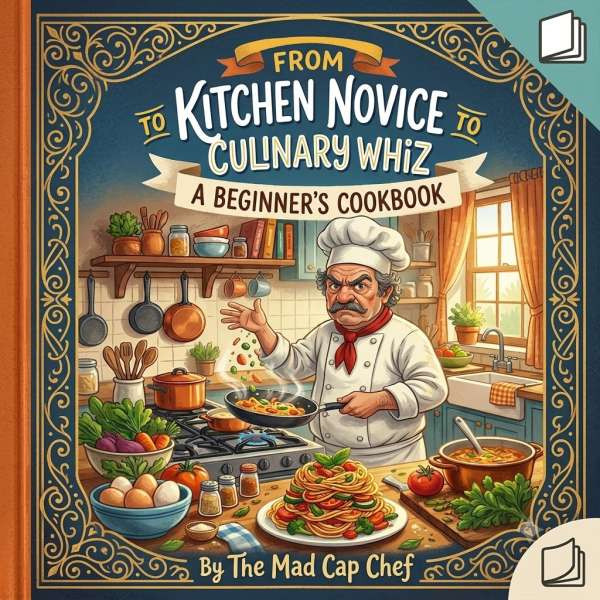


From Kitchen Novice to Culinary Whiz: A Beginner's Cookbook
From Kitchen Novice to Culinary Whiz: A Beginner's Cookbook
Mad Cap Chef Style
Chapter 1: Introduction to Cooking
The Joy of Cooking
Cooking is not just about preparing meals; it is an art that brings joy and satisfaction to both the cook and those who enjoy the food. For beginner home cooks, the kitchen can often seem like a daunting place filled with recipes that appear complex and intimidating. However, the secret to cooking lies in embracing the process, experimenting with flavours, and understanding that mistakes are part of the journey. Each dish prepared is an opportunity to learn and grow, turning the kitchen into a space of creativity and discovery.
The joy of cooking begins with simple ingredients and basic techniques. As a beginner, starting with straightforward recipes can build confidence and spark enthusiasm. The satisfaction of chopping vegetables, sautéing them, and watching them transform into a delicious meal is unmatched. Each small success fuels the desire to try more challenging dishes, creating a positive feedback loop that encourages continuous improvement and exploration in the kitchen.
Moreover, cooking is a wonderful way to connect with others. Whether it’s preparing a meal for family, hosting friends for dinner, or sharing recipes online, cooking fosters relationships and creates memories. The act of gathering around a table to enjoy a meal is a universal experience that transcends cultures and backgrounds. As beginner cooks learn to share their culinary creations, they not only develop their skills but also deepen their connections with others.
Another aspect of the joy of cooking is the ability to personalise dishes to suit one’s taste. Beginners can experiment with different herbs and spices, adjusting recipes to create unique flavours that reflect their preferences. This freedom allows for a level of creativity that can be immensely satisfying. The more one cooks, the more one discovers personal likes and dislikes, leading to a more fulfilling cooking experience.
Lastly, cooking is a form of self-care that can be both therapeutic and rewarding. Engaging in the tactile experience of cooking can serve as a form of mindfulness, allowing individuals to focus on the present moment. The aroma of a simmering sauce or the vibrant colours of fresh produce can uplift one’s mood and provide a sense of accomplishment. For beginner home cooks, embracing the joy of cooking can lead to a lifelong passion that enriches both their lives and the lives of those around them.
Kitchen Safety and Hygiene
Kitchen safety and hygiene are paramount in ensuring a successful and enjoyable cooking experience. As a beginner home cook, it's essential to familiarise yourself with basic safety practices to prevent accidents and injuries. This includes understanding how to properly handle knives, avoiding cross-contamination, and maintaining a tidy workspace. By prioritising safety, you create a conducive environment for learning and experimenting in the kitchen.
One of the most critical aspects of kitchen hygiene is ensuring that your hands and utensils are clean. Always wash your hands with soap and water before and after handling food, especially raw meat, poultry, or fish. Additionally, regularly sanitising your cutting boards and countertops can help prevent the spread of harmful bacteria. Remember to use separate boards for raw and cooked foods to minimise the risk of cross-contamination.
Proper food storage is another vital component of kitchen safety and hygiene. Familiarise yourself with the different types of food storage, such as refrigeration and freezing, to keep your ingredients fresh and safe to eat. Always check expiry dates and store leftovers in airtight containers to prevent spoilage. By being vigilant about food storage, you can avoid foodborne illnesses and ensure that your culinary creations are both delicious and safe.
When cooking, it’s essential to be mindful of your cooking environment. Keep flammable materials, such as dish towels and paper, away from stovetops and ovens. Always use oven mitts when handling hot pots and pans, and never leave cooking food unattended. These simple precautions can significantly reduce the risk of kitchen fires and accidents, allowing you to focus on honing your cooking skills.
Lastly, always be aware of the equipment you are using. Familiarise yourself with the proper operation of kitchen appliances, such as blenders and mixers, to avoid injuries. Understanding how to use each tool safely not only enhances your efficiency but also builds your confidence in the kitchen. By consistently applying these safety and hygiene principles, you'll create a positive cooking experience that encourages creativity and growth.
Essential Kitchen Tools and Equipment
A well-equipped kitchen is essential for any aspiring home cook. The right tools can make cooking easier, more enjoyable, and ultimately more successful. Beginners should focus on acquiring a few key items that will serve them well in various cooking tasks. From knives to measuring cups, these essentials will lay the foundation for a comfortable cooking experience.
First and foremost, a good chef's knife is a must-have for any kitchen. This versatile tool can be used for chopping, slicing, and dicing a variety of ingredients. Investing in a quality chef's knife will improve your efficiency and safety while cooking. Additionally, a cutting board is equally important, providing a sturdy surface to protect your countertops and enhance your food preparation.
Measuring tools are vital in the kitchen, especially for beginners who are still learning to follow recipes accurately. A set of measuring cups and spoons will help ensure that you are using the correct amounts of ingredients, which is crucial for baking and cooking. Digital kitchen scales can also be beneficial for precise measurements, making it easier to replicate recipes consistently.
Another essential piece of equipment is a sturdy saucepan. A good saucepan can be used for boiling, simmering, and even sautéing. Look for one with a heavy base to ensure even heat distribution. Alongside a saucepan, a non-stick frying pan is invaluable for frying and cooking delicate foods, such as eggs or pancakes, without them sticking to the surface.
Finally, don't overlook the importance of kitchen gadgets that can simplify your cooking tasks. Items like a vegetable peeler, whisk, and tongs can save time and effort in the kitchen. By equipping your kitchen with these essential tools and equipment, you'll be well on your way to becoming a confident and competent home cook, ready to take on new culinary challenges.
Chapter 2: Understanding Ingredients
Fresh Produce: Fruits and Vegetables
Fresh produce forms the cornerstone of any healthy diet, and as a beginner home cook, understanding the importance of fruits and vegetables is paramount. These ingredients not only add vibrant colours to your meals but also provide essential nutrients that your body needs to thrive. When shopping for fresh produce, look for items that are in season, as they tend to be more flavourful and cost-effective. Familiarising yourself with the various types of fruits and vegetables can also help you make informed choices while cooking.
When selecting fruits, aim for those that are firm, fragrant, and free from blemishes. Common fruits such as apples, bananas, and oranges are versatile and can be used in a variety of dishes, from salads to desserts. Don’t shy away from trying exotic options like mangoes or pomegranates, which can elevate your culinary creations. Remember, the way you store fruits can affect their ripeness and taste, so keep them in a cool, dry place or in the fridge as necessary.
Vegetables, on the other hand, should be crisp and vibrant in colour. Leafy greens like spinach and kale are not only nutritious but also easy to incorporate into your meals. Root vegetables such as carrots and potatoes can be roasted or mashed, providing a comforting element to your dishes. When preparing vegetables, consider various cooking methods like steaming, sautéing, or roasting to enhance their flavours while retaining their nutrients.
As you become more comfortable in the kitchen, experiment with different combinations of fruits and vegetables to create unique dishes. For instance, a fresh salad can be transformed with the addition of sliced fruits or a tangy dressing. Consider making smoothies with a blend of your favourite fruits and leafy greens for a nutritious breakfast or snack option. The possibilities are endless, and the more you explore, the more confident you will become in your cooking skills.
Lastly, don’t forget the importance of presentation when serving fresh produce. A well-arranged platter of colourful fruits and vegetables can make any meal more appealing. As you develop your culinary skills, take the time to appreciate the beauty of fresh produce and let it inspire your creativity in the kitchen. Cooking with fresh ingredients not only nourishes your body but also enhances your overall cooking experience, making it more enjoyable and rewarding.
Proteins: Meat, Fish, and Plant-Based Options
Proteins play a crucial role in our diets, providing essential amino acids necessary for various bodily functions. When considering protein sources, it's important to explore the three primary categories: meat, fish, and plant-based options. Each category offers unique benefits, flavours, and cooking techniques, making it essential for beginner cooks to understand their choices in order to create delicious and nutritious meals.
Meat is often the most familiar source of protein for many home cooks. Common options include chicken, beef, and pork, each with its own distinct taste and texture. Cooking meat can vary significantly depending on the type and cut, so beginners should start with simple methods such as grilling, baking, or sautéing. Understanding how to season and cook meat properly can elevate a dish, making it both safe and enjoyable to eat.
Fish is another excellent source of protein, offering a wealth of flavours and health benefits. Rich in omega-3 fatty acids, fish can improve heart health and brain function. For beginner cooks, options like salmon, cod, and tilapia are accessible and easy to prepare. Techniques such as steaming, baking, or pan-frying can bring out the best in fish, while also ensuring that it remains moist and tender.
Plant-based proteins have gained popularity in recent years, appealing to both vegetarians and those looking to reduce meat consumption. Beans, lentils, tofu, and quinoa are just a few examples of nutritious plant-based options. Cooking with these ingredients can introduce new textures and flavours to meals. It's important for beginners to experiment with spices and cooking methods to fully appreciate the versatility of plant-based proteins.
In conclusion, understanding the different sources of protein—meat, fish, and plant-based options—enables beginner cooks to diversify their meals and improve their culinary skills. Each category offers unique benefits and cooking techniques that can be explored at your own pace. By experimenting with these protein sources, you will not only enhance your cooking repertoire but also create balanced meals that cater to various dietary preferences.
Grains and Pulses: Staples for Every Meal
Grains and pulses are the unsung heroes of the kitchen, providing essential nutrients and versatility in every meal. For beginner home cooks, understanding how to incorporate these staples into your cooking can elevate your dishes while keeping them healthy and satisfying. From rice and quinoa to lentils and chickpeas, these ingredients offer a wealth of options that can suit any dietary preference or requirement.
Cooking with grains is straightforward and can be a delightful experience. Start with basics like rice, which can be prepared in various ways, from pilafs to risottos. Quinoa, a protein-packed alternative, is another fantastic choice that cooks quickly and pairs well with a multitude of flavours. Learning to cook grains properly involves understanding the water-to-grain ratio, which is crucial for achieving the perfect texture every time.
Pulses, including beans, lentils, and peas, are equally important and provide a hearty source of protein and fibre. They are incredibly versatile, allowing for both sweet and savoury dishes. For instance, black beans can be used in tacos, while chickpeas are perfect for making hummus or adding to salads. Beginners should experiment with different types of pulses to discover their unique flavours and textures.
Incorporating grains and pulses into your meals can also promote sustainability and cost-effectiveness. These ingredients are often more affordable than meat and can be bought in bulk, making them a smart choice for budget-conscious cooks. Additionally, they have a long shelf life, allowing you to stock up and reduce food waste, which is essential for any home cook aiming to be more environmentally friendly.
Ultimately, grains and pulses are more than just side dishes; they can be the foundation of a meal. By mastering a few simple recipes, beginner cooks can create delicious, wholesome dishes that are both satisfying and nourishing. Embracing these staples will not only enhance your culinary skills but also inspire creativity in the kitchen, proving that cooking can be both fun and fulfilling.
Herbs and Spices: Elevating Flavours
Herbs and spices are the unsung heroes of the kitchen, capable of transforming a simple dish into a culinary masterpiece. For beginner home cooks, understanding how to use these ingredients can be the key to elevating flavours and enhancing the overall dining experience. Fresh herbs, such as basil, parsley, and cilantro, add vibrant notes to salads, soups, and sauces, while dried spices like cumin, paprika, and black pepper introduce warmth and complexity to a variety of dishes. By incorporating these elements thoughtfully, novice cooks can create meals that are both delicious and memorable.
When using herbs, it’s important to consider the timing of their addition to the cooking process. Fresh herbs should ideally be added towards the end of cooking to preserve their flavour, whereas dried herbs and spices benefit from longer cooking times to fully release their aromatic properties. Experimenting with the quantities and combinations of different herbs and spices can lead to exciting discoveries in your cooking journey. The key is to start with small amounts and gradually increase until the desired flavour profile is achieved.
A common mistake among beginner cooks is to underestimate the power of seasoning. It’s essential to taste as you go, adjusting the levels of herbs and spices according to your preferences. A pinch of salt can enhance the natural flavours of ingredients, while the right blend of spices can transport your dish to another culinary culture. Keeping a well-stocked spice rack and a selection of fresh herbs on hand will empower you to experiment and enhance your cooking skills.
Pairing herbs and spices with complementary ingredients is another crucial aspect of flavour elevation. For instance, pairing rosemary with roasted lamb or chilli flakes with garlic can create harmony in your dishes. Moreover, understanding which herbs and spices work well together can open up a world of flavour possibilities. Don’t be afraid to try new combinations; cooking is as much about creativity as it is about technique.
Ultimately, herbs and spices are an essential part of becoming a confident home cook. By learning to incorporate these flavourful elements into your cooking, you will not only improve your dishes but also gain a deeper appreciation for the culinary arts. As you continue on your cooking journey, remember that every great chef started as a novice, and with practice, your skills in seasoning and flavour enhancement will flourish.
Chapter 3: Basic Cooking Techniques
Boiling and Steaming
Boiling and steaming are two fundamental cooking techniques that every beginner home cook should master. Boiling involves cooking food in water or broth at high temperatures, which can be an efficient way to prepare a variety of ingredients, from vegetables to pasta. It is important to use a large pot with plenty of water to ensure even cooking and to add salt to enhance the flavour of the food being boiled. Additionally, timing is crucial; overcooking can lead to mushy textures, while undercooking can leave food tough and unpalatable.
Steaming, on the other hand, uses steam to cook food, which helps retain more nutrients compared to boiling. This method is particularly beneficial for vegetables, as it preserves their bright colours and crunchiness. Steaming can be done using a steamer basket or a dedicated electric steamer. The key is to ensure that the water does not touch the food, allowing the steam to circulate freely for even cooking. This technique is not only healthier but also adds natural flavours to the food without the need for additional fats.
Both boiling and steaming can be used to prepare a variety of ingredients, making them versatile methods in the kitchen. For instance, you can boil potatoes to make mash or steam broccoli as a side dish. Experimenting with different types of food can help you discover new flavours and textures. It is advisable to try these techniques with fresh ingredients, as they tend to yield the best results when cooked properly.
To enhance your boiling and steaming skills, consider investing in some quality kitchen tools. A good pot with a lid, a strainer for boiling, and a steamer basket or electric steamer can make these processes much easier and more efficient. Familiarise yourself with your tools and practice regularly to build confidence in these techniques. With time, you will find that these basic methods can lead to delicious and healthy meals.
In conclusion, mastering boiling and steaming is essential for any beginner home cook. These techniques not only provide a foundation for further cooking skills but also promote healthier eating habits. By understanding the differences and applications of each method, you can elevate your cooking and enjoy a variety of dishes that appeal to your taste buds. So gather your ingredients, put on your apron, and start boiling and steaming your way to culinary success!
Sautéing and Stir-Frying
Sautéing and stir-frying are essential techniques that every beginner home cook should master. These methods are not only quick and efficient but also preserve the vibrant flavours and textures of the ingredients. To sauté, a small amount of oil is heated in a pan, and then food is added, allowing it to cook evenly while being stirred regularly. This technique is perfect for cooking vegetables, proteins, and even grains, making it versatile for various meals.
Stir-frying, often associated with Asian cuisine, involves cooking food quickly over high heat while stirring continuously. It typically requires a wok, which is designed to distribute heat evenly and allows for a large cooking surface. When stir-frying, it's crucial to have all your ingredients prepped and ready to go, as the cooking process is swift. This method not only enhances the natural flavours but also retains the nutrients in the vegetables, making it a healthy option.
Both techniques benefit from using fresh ingredients and a variety of seasonings. Beginners should experiment with different combinations of vegetables, meats, and spices to discover their favourite flavours. For instance, a simple sauté of garlic and spinach can be elevated with a splash of lemon juice or a sprinkle of parmesan cheese. Stir-frying can incorporate a range of sauces, such as soy or oyster sauce, to add depth to the dish.
Timing is critical in sautéing and stir-frying. Overcooking can lead to soggy vegetables and tough proteins. As a beginner, it’s helpful to learn the right cooking times for different ingredients. For example, denser vegetables like carrots may require a few minutes longer than softer ones like bell peppers. Practising these techniques will build your confidence in the kitchen and allow you to create delicious meals in no time.
In conclusion, sautéing and stir-frying are fundamental cooking skills that can transform simple ingredients into delightful dishes. These methods encourage creativity and experimentation, making cooking an enjoyable experience. As you gain proficiency, you'll find that these techniques not only save time but also contribute to healthier meals. So grab your pan or wok, and start exploring the exciting world of sautéing and stir-frying!
Baking and Roasting
Baking and roasting are two fundamental cooking techniques that every beginner home cook should master. These methods not only enhance the flavours of various ingredients but also allow for a range of delectable dishes to be prepared with relative ease. Baking typically involves cooking food using dry heat in an oven, making it ideal for breads, cakes, and pastries, while roasting is often used for meats and vegetables, bringing out their natural sweetness and depth of flavour through caramelisation.
When starting with baking, it is essential to understand the importance of accurate measurements and following recipes closely. Baking is a science, and the right balance of ingredients can make all the difference between a fluffy cake and a dense one. Investing in a good set of measuring cups and spoons is crucial, along with a reliable oven thermometer to ensure your oven is at the correct temperature. Understanding how different ingredients interact, such as the role of baking powder or the impact of room temperature eggs, can significantly improve your baking results.
Roasting, on the other hand, allows for a more forgiving approach. This technique encourages experimentation, as various vegetables and cuts of meat can be tossed with herbs, spices, and a drizzle of oil before being placed in the oven. The key to successful roasting is to avoid overcrowding the pan, which can lead to steaming instead of roasting. A well-roasted dish will have a golden, crispy exterior, while remaining tender and juicy inside.
One of the joys of baking and roasting is the delightful aroma that fills your kitchen, creating an inviting atmosphere. Whether you're baking a batch of cookies for a family gathering or roasting a chicken for Sunday lunch, these techniques foster a sense of accomplishment and satisfaction. It is also a wonderful way to bond with family and friends, as sharing home-cooked meals strengthens relationships and creates lasting memories.
In conclusion, both baking and roasting are accessible techniques that can elevate your cooking skills significantly. By practicing these methods, you will discover the joy of creating delicious meals and treats from scratch. Remember, every expert was once a beginner, so embrace the learning process and enjoy the culinary journey ahead!
Grilling and Broiling
Grilling and broiling are two popular cooking methods that can elevate your culinary skills and provide delicious results. Both techniques involve high heat, but they differ in their approach and equipment. Grilling typically uses an open flame, while broiling utilises the heat from above in your oven to cook food. Understanding these methods will help you choose the right one for your meals and ensure that you achieve the best flavours and textures.
When grilling, it is essential to preheat your grill to the appropriate temperature. This ensures that your food cooks evenly and develops a lovely char. For meats, a good rule of thumb is to aim for a medium-high heat, which allows for a nice sear on the outside while keeping the inside juicy. Vegetables can also be grilled, and they benefit from a medium heat, which helps to soften them while preserving their natural flavours.
Broiling, on the other hand, is a fantastic option for those who may not have access to a grill. To broil effectively, you should position your oven rack close to the heating element, usually at the top of the oven. This method is particularly suitable for cooking fish, chicken, and even some vegetables, allowing them to cook quickly while achieving a crispy exterior. Just be sure to keep a close eye on your food, as broiling can lead to burnt edges if not monitored.
One of the key benefits of both grilling and broiling is the ability to infuse dishes with a smoky or caramelised flavour that is hard to replicate with other cooking methods. Marinades and rubs can enhance these flavours even further, so don’t hesitate to experiment with different combinations. Simple ingredients like olive oil, garlic, and herbs can work wonders in elevating your grilled or broiled dishes.
In conclusion, whether you choose to grill or broil, mastering these techniques will open up a world of culinary possibilities. Both methods are not only quick but also encourage a healthy cooking style by allowing excess fats to drip away. As you gain confidence in these skills, you will find that grilling and broiling can make any meal feel special, bringing outdoor flavours into your kitchen and impressing your family and friends with your newfound abilities.
Chapter 4: Essential Recipes for Beginners
Breakfast Basics
Breakfast is often hailed as the most important meal of the day, and for good reason. It provides the necessary fuel to kickstart your metabolism and set the tone for your day. For beginner home cooks, understanding the basics of breakfast cooking is essential, as it opens the door to a myriad of flavours and techniques. Whether you prefer a hearty full English breakfast or a light smoothie, mastering a few simple recipes can transform your mornings.
One of the simplest breakfast options is scrambled eggs. They are quick to prepare and require minimal ingredients: eggs, a splash of milk, butter, and a pinch of salt. Begin by whisking the eggs and milk together in a bowl, then heat a pan over medium-low heat with a knob of butter. Pour in the egg mixture and stir gently, allowing the eggs to cook slowly for a creamy texture. This technique not only enhances flavour but also builds confidence in your cooking skills.
Porridge is another staple breakfast that is both nutritious and versatile. Made from oats, it can be customised to suit your taste. Start with water or milk, bring it to a boil, and then add the oats. Stirring occasionally, let it simmer until it reaches your desired consistency. Top your porridge with fruits, nuts, or honey for added flavour and nutrition. This simple dish can become a comforting routine that nourishes both body and soul.
For those who enjoy a sweeter start to their day, pancakes are a delightful option. The basic pancake batter consists of flour, eggs, milk, and a pinch of baking powder. Combine the dry ingredients in one bowl and the wet in another, then mix together until just combined. Cook on a hot griddle until golden brown on both sides. Serve with maple syrup, fresh berries, or a dollop of yoghurt for a breakfast that feels indulgent yet is easy to make.
Lastly, smoothies are a fantastic way to incorporate fruits and vegetables into your morning routine. Simply blend your choice of fruits, such as bananas and berries, with a handful of spinach, some yoghurt, and a splash of juice or milk. This quick and healthy option is perfect for those busy mornings when you need something nutritious on the go. Embracing these breakfast basics will not only enhance your skill set but also inspire you to explore the wide world of cooking.
Quick and Easy Lunches
When it comes to quick and easy lunches, simplicity is key for beginner home cooks. One of the best options is a classic sandwich. Using fresh bread, some sliced vegetables, and your choice of protein, you can create a satisfying meal in just a few minutes. Try experimenting with different spreads like hummus or mayonnaise to add flavour and variety to your lunch routine.
Another great option is a simple salad. Start with a base of leafy greens and add whatever vegetables you have on hand. Toss in some nuts or seeds for crunch and a protein source such as canned tuna or chickpeas for a filling meal. Don't forget to drizzle on a quick homemade vinaigrette made from olive oil and vinegar for an extra burst of taste.
Pasta salads are another versatile choice that can be prepared quickly. Cook a batch of pasta and let it cool, then mix in diced vegetables, olives, and a light dressing. This dish can be made in advance and stored in the fridge, making it easy to grab a portion whenever hunger strikes during the week.
For those who enjoy a warm lunch, consider making a simple stir-fry. With just a few ingredients like frozen vegetables and pre-cooked chicken or tofu, you can whip up a delicious meal in a matter of minutes. Serve it over rice or noodles for a complete dish that is both quick and satisfying.
Lastly, wraps are an excellent alternative to sandwiches and can be filled with an array of ingredients. Use a tortilla or flatbread and fill it with your choice of protein, vegetables, and sauces. They are easy to make, portable, and can be customised to suit your taste preferences, making them perfect for busy days.
Simple Dinners for Any Night
When it comes to preparing dinner, simplicity can be the key to success, especially for beginner home cooks. Simple dinners do not require elaborate techniques or hard-to-find ingredients. Instead, they focus on fresh, straightforward components that come together quickly to create satisfying meals. Whether you are cooking for yourself or for family and friends, these uncomplicated recipes can help you build confidence in the kitchen.
One popular choice for a simple dinner is pasta with a homemade sauce. Start by boiling your pasta of choice, while you sauté garlic and onions in olive oil. Add canned tomatoes, herbs, and a pinch of salt to create a delicious sauce that complements the pasta beautifully. This dish is not only quick to prepare but also allows for endless variations, so you can adapt it to suit your taste.
Another easy option is a stir-fry. Using a mix of fresh vegetables and a protein such as chicken, beef, or tofu, you can create a colourful and nutritious meal in a matter of minutes. Simply chop your ingredients, heat some oil in a pan, and stir them together with soy sauce or teriyaki for added flavour. Serve it over rice or noodles for a complete dish that is both healthy and satisfying.
For those nights when you prefer something even simpler, consider sheet pan dinners. Just arrange your choice of protein and vegetables on a baking sheet, season with herbs and spices, and roast in the oven. This method requires minimal clean-up and allows you to prepare a wholesome meal with very little effort. Plus, you can experiment with different combinations of ingredients to keep dinner exciting.
Finally, don't underestimate the power of a hearty salad as a dinner option. Start with a base of leafy greens and add your favourite toppings, such as grilled chicken, nuts, or cheese. Drizzle with a homemade vinaigrette to elevate the flavours. Salads can be incredibly filling and provide a refreshing balance to heavier meals, making them a perfect choice for any night of the week.
Delectable Desserts
Desserts are often the highlight of any meal, providing a sweet conclusion that leaves a lasting impression. For beginner home cooks, mastering a few delectable dessert recipes can boost confidence and add a delightful touch to gatherings. From simple cakes to creamy puddings, the world of desserts is vast and inviting, encouraging experimentation and creativity in the kitchen.
One of the most approachable desserts for beginners is the classic chocolate mousse. With just a handful of ingredients including chocolate, eggs, and cream, this indulgent treat requires minimal effort yet delivers maximum flavour. By learning the technique of folding whipped cream into melted chocolate, novice cooks can create a light and airy dessert that is sure to impress family and friends.
Baking cookies is another excellent way for beginners to dive into the world of desserts. The beauty of cookies lies in their versatility; whether it’s classic chocolate chip or oatmeal raisin, the possibilities are endless. Beginners can experiment with different mix-ins and flavours, allowing them to personalise their creations while practising essential baking skills such as measuring and mixing.
For those looking for a no-bake option, cheesecakes present a fantastic opportunity. With a buttery biscuit base and a creamy filling, cheesecakes are not only delicious but also easy to prepare. Beginners can start with a simple recipe and, as their confidence grows, explore variations such as fruit-topped or chocolate-flavoured cheesecakes, showcasing their creativity in the process.
Finally, fruit-based desserts provide a refreshing conclusion to any meal. Simple preparations like fruit salads or baked apples can highlight the natural sweetness of the fruit while requiring minimal cooking skills. By incorporating seasonal fruits, beginner cooks can create beautiful, healthy desserts that are both visually appealing and satisfying, making dessert an enjoyable experience for everyone involved.
Chapter 5: Meal Planning and Preparation
Creating a Weekly Meal Plan
Creating a weekly meal plan is a fundamental step for any beginner home cook looking to streamline their cooking process and eat healthier. This practice not only saves time but also reduces food waste and ensures that you have all the necessary ingredients on hand. Start by choosing a designated day of the week to plan your meals, allowing yourself the time to explore new recipes and consider your schedule for the week ahead.
Begin by assessing your dietary preferences and any dietary restrictions. Take into account the meals you enjoyed in the past and any new dishes you may want to try. A well-balanced meal plan should include a variety of proteins, vegetables, grains, and healthy fats. Make a list of potential recipes that appeal to you, keeping in mind the cooking skills you possess, so as not to overwhelm yourself.
Next, organise your meals by day and meal type, such as breakfast, lunch, and dinner. It is helpful to plan for leftovers to make the most of your cooking efforts. For example, if you prepare a roast chicken on Sunday, you can use the leftovers for salads or sandwiches throughout the week. This not only saves time but also encourages creativity in transforming dishes into new meals.
Once you have your meals planned, create a comprehensive shopping list based on the ingredients required for each recipe. Check your pantry and refrigerator to avoid purchasing items you already have. A well-thought-out shopping list will save you time and money at the store, making the cooking process more enjoyable.
Finally, remember that flexibility is key. Life can be unpredictable, and sometimes plans change. Be prepared to swap meals around as needed or adjust portions if your plans shift. Embracing this adaptability will make meal planning less of a chore and more of an enjoyable part of your cooking journey, allowing you to develop your skills and confidence in the kitchen.
Shopping Tips for Beginners
Shopping for ingredients can be an overwhelming experience for beginner home cooks, but with a few tips, it can be enjoyable and rewarding. First, always make a list before heading to the supermarket. This helps you stay focused and prevents impulse buys that can lead to unnecessary expenses. By planning your meals in advance, you can ensure that you purchase exactly what you need for your recipes, saving both time and money.
Next, consider shopping seasonally. Seasonal produce is not only fresher and more flavourful, but it's often more affordable as well. Visiting local farmer's markets can also be a great way to find fresh ingredients while supporting local growers. This not only enhances the quality of your dishes but also allows you to explore new fruits and vegetables that you might not usually consider.
It's also important to read labels when shopping, especially if you're trying to make healthier choices. Understanding the ingredients and nutritional information can help you select products that fit your dietary needs. Look out for additives and preservatives that may not align with your cooking goals. By being mindful of what goes into your cart, you can make better choices that support your culinary journey.
Don’t forget to explore different sections of the store. While you might primarily focus on the produce aisle, there are often hidden gems in the frozen, canned, and dry goods sections. These items can be just as nutritious and can add variety to your meals. Stocking up on pantry staples such as grains, beans, and canned tomatoes will provide a solid foundation for many recipes, making cooking easier and more accessible.
Lastly, enjoy the process of shopping as part of your culinary experience. Take your time to explore new ingredients and learn about their uses in cooking. Engaging with store staff can also provide valuable insights and tips. Remember, each shopping trip is an opportunity to discover new flavours and enhance your confidence in the kitchen, setting the stage for your growth as a home cook.
Food Storage and Leftovers Management
Food storage and leftovers management are crucial skills for any beginner home cook. Properly storing food not only helps in maintaining its freshness but also prevents food waste, which is both economical and environmentally friendly. Understanding the basic principles of food storage can significantly enhance your culinary experience and encourage you to prepare meals in advance without the fear of spoilage.
One key aspect of food storage is knowing the right temperatures for different types of foods. Refrigerators should be set below 5°C to slow down bacterial growth, while freezers should be at -18°C or lower for long-term storage. It’s also important to use airtight containers for storing leftovers, as these can help prevent contamination and keep your meals tasting fresh. Labelling containers with the date you cooked the food will remind you when it should be eaten or thrown out.
Leftovers can be a lifesaver on busy days, providing a quick meal option without the need for extensive cooking. However, knowing how long leftovers can be safely stored is essential. Generally, cooked foods can last three to four days in the fridge, while they can remain safe in the freezer for up to three months. Developing the habit of checking expiration dates and using older items first is a practical way to manage your food supply efficiently.
When reheating leftovers, it's important to do so thoroughly. The food should reach an internal temperature of at least 75°C to ensure that any harmful bacteria are destroyed. Additionally, avoid reheating food multiple times, as this can further compromise its safety and quality. Reheating only what you plan to eat in one sitting will help reduce waste and maintain flavour.
Lastly, getting creative with leftovers can turn them into exciting new meals. For example, roasted vegetables can be transformed into a delightful frittata, or yesterday's chicken can become a tasty stir-fry. By experimenting with different recipes and flavour combinations, you'll not only enjoy your meals more but also develop your cooking skills. Embracing leftovers as a part of your cooking repertoire will make you a more resourceful and confident home cook.
Chapter 6: Cooking for Special Diets
Vegetarian and Vegan Cooking
Vegetarian and vegan cooking opens up a world of flavours and creativity for beginner home cooks. By focusing on plant-based ingredients, you can explore a diverse range of recipes that not only nourish the body but also excite the palate. Incorporating vegetables, grains, legumes, and fruits into your meals allows for an endless variety of dishes, from hearty stews to vibrant salads. Understanding the basics of these cuisines can transform your approach to cooking, encouraging you to experiment and innovate in the kitchen.
When starting with vegetarian and vegan cooking, it's essential to learn about the key ingredients that will become staples in your pantry. Items like lentils, chickpeas, quinoa, and a variety of spices are crucial for creating fulfilling meals. Familiarising yourself with these ingredients will enable you to whip up delicious dishes with ease. Additionally, understanding how to mix and match flavours can elevate your cooking, making it more enjoyable and satisfying.
Preparing meals from scratch can be a rewarding experience, and vegetarian and vegan dishes are often quick and simple to make. Many recipes require minimal cooking time, making them perfect for busy weeknights or last-minute gatherings. With just a few fresh ingredients and some basic cooking techniques, you can create healthy meals that everyone will love. Emphasising seasonal produce can also enhance your dishes, bringing freshness and vibrancy to your table.
As you gain confidence in your cooking skills, try exploring international vegetarian and vegan cuisines. From Indian curries to Italian pasta dishes, there is a wealth of inspiration available. Each cuisine offers unique flavours and cooking methods, allowing you to broaden your culinary horizons. Learning about different cultures through their food can be an exciting journey, and it can inspire you to incorporate diverse flavours into your home cooking.
Lastly, remember that cooking is about enjoyment and experimentation. Don't be afraid to make mistakes or adjust recipes to suit your taste. Embrace the process, and you will find that vegetarian and vegan cooking can be both fulfilling and fun. With practice, you will develop your style and preferences, transforming you from a kitchen novice into a confident culinary whiz, ready to impress family and friends with your delicious plant-based dishes.
Gluten-Free Cooking
Gluten-free cooking can seem daunting at first, especially for beginners. However, with the right knowledge and ingredients, it can be an enjoyable and rewarding experience. Understanding what gluten is and why some people need to avoid it is the first step. Gluten is a protein found in wheat, barley, and rye, and it can cause serious health issues for those with gluten sensitivity or celiac disease.
When starting your gluten-free journey, it's essential to stock your pantry with suitable substitutes. There are numerous gluten-free grains and flours available, such as rice, quinoa, almond flour, and coconut flour. These alternatives not only replace traditional wheat-based ingredients but also add unique flavours and textures to your dishes. Experimenting with these different options can lead to exciting culinary discoveries.
Another crucial aspect of gluten-free cooking is understanding cross-contamination. It's important to ensure that your cooking environment is free from gluten, especially if you are preparing food for someone with a severe sensitivity. This means using separate utensils, cutting boards, and pans for gluten-free cooking. Awareness and attention to detail will help you create a safe and delicious meal.
When it comes to recipes, there is a wealth of gluten-free options available online and in cookbooks. From hearty soups and stews to delightful baked goods, the possibilities are endless. Many traditional recipes can be easily adapted by substituting gluten-free ingredients, allowing you to enjoy your favourite dishes without worry. Take the time to explore and try new recipes that showcase the versatility of gluten-free cooking.
Lastly, don't forget to enjoy the process! Cooking should be a fun and creative outlet, and gluten-free cooking is no exception. As you gain confidence in your skills, you'll find that gluten-free dishes can be just as satisfying and delicious as their gluten-containing counterparts. Keep experimenting, learn from your mistakes, and celebrate your successes in the kitchen!
Cooking for Allergies and Intolerances
Cooking for allergies and intolerances is an essential skill for any beginner home cook. Understanding how to prepare meals that cater to specific dietary needs can make a significant difference in the lives of those affected. It not only ensures that everyone at the table can enjoy the meal but also fosters an inclusive environment where no one feels left out due to their dietary restrictions.
The first step in cooking for allergies is to identify which ingredients to avoid. Common allergens include nuts, dairy, gluten, and shellfish. Reading labels is crucial, as many packaged foods can contain hidden allergens. Equip yourself with a list of safe substitutes, such as almond milk for dairy or gluten-free flour for baking, to create delicious dishes without compromising on flavour.
When planning meals, consider the variety of cuisines that naturally cater to specific dietary restrictions. For instance, many Asian dishes are gluten-free, while Mediterranean cuisine often features fresh vegetables and grains that are safe for various intolerances. Exploring these options not only broadens your culinary repertoire but also helps you discover new flavours and textures to excite your palate.
Meal prepping can further assist in managing allergies and intolerances. By preparing meals in advance, you can ensure that you have safe options ready to go when hunger strikes. This practice not only saves time but also reduces the temptation to reach for quick, potentially unsafe snacks. Make it a habit to set aside a few hours each week to cook and portion out meals.
Finally, always communicate with those you are cooking for. Understanding their specific needs and preferences will allow you to tailor your dishes accordingly. Engaging in open dialogue about food choices not only enhances your cooking skills but also builds trust and understanding. Remember, cooking for allergies and intolerances is not just about avoiding certain ingredients; it’s about creating delicious, satisfying meals that everyone can enjoy together.
Chapter 7: Building Culinary Confidence
Experimenting with Flavours
Experimenting with flavours is one of the most exciting aspects of cooking. For beginner home cooks, this journey can be both exhilarating and daunting. The beauty of flavour experimentation lies in its ability to transform simple ingredients into extraordinary dishes. By understanding the basics of flavour profiles, you can begin to create your own unique culinary masterpieces.
Start by familiarising yourself with the primary flavour categories: sweet, salty, sour, bitter, and umami. Each of these flavours plays a critical role in creating balance in your dishes. For instance, adding a touch of sweetness can enhance the overall taste of a savoury dish, while a splash of acidity can brighten up rich flavours. As you gain confidence, begin to play with these elements by incorporating different herbs and spices, which can elevate your cooking to new heights.
Another fantastic way to experiment is by combining flavours from different cuisines. Fusion cooking opens up a world of possibilities, allowing you to blend traditional recipes with unique ingredients. For example, try adding Asian-inspired sauces to Italian pasta or using Mediterranean spices in a classic roast. This approach not only broadens your cooking repertoire but also encourages creativity in the kitchen.
Don’t be afraid to taste as you go. Adjusting flavours during the cooking process is essential for developing your palate. Keep a notebook handy to jot down your flavour combinations and the results. This will help you refine your skills and remember what works well together. Remember, cooking is as much about intuition as it is about following recipes, so trust your instincts and enjoy the process.
Lastly, share your culinary creations with friends and family. Gathering feedback can provide valuable insights into your flavour experiments. It’s also an excellent way to engage with others and create memorable dining experiences. As you become more comfortable with flavour experimentation, you’ll not only improve your cooking skills but also develop a deeper appreciation for the art of cooking itself.
Presentation and Plating Techniques
Presentation and plating techniques are vital skills for any beginner home cook looking to elevate their culinary creations. A well-presented dish not only looks appealing but can also enhance the overall dining experience. Start by considering the type of dish you are serving; for example, a rustic stew may look best in a simple bowl, while an elegant dessert could shine on a white plate that provides contrast. Understanding the basics of colour, texture, and arrangement will significantly improve your plating skills.
One essential aspect of plating is the use of negative space. This concept refers to the empty areas on a plate that allow the food to stand out. Avoid overcrowding your plate; instead, use the space wisely to highlight the main components of your dish. A small portion of a vibrant sauce or a sprinkle of fresh herbs can add that final touch, drawing the eye and inviting the diner to enjoy the meal.
Texture also plays a crucial role in presentation. Incorporate various textures into your dish to make it visually interesting and appealing. For instance, pairing creamy mashed potatoes with crispy fried onions not only adds flavour contrasts but also creates a dynamic visual experience. Remember, the way you layer and stack your ingredients can showcase their unique qualities and elevate the overall appeal of your dish.
Garnishing is another important technique to master. Fresh herbs, edible flowers, or a drizzle of sauce can transform a simple meal into a restaurant-quality experience. When garnishing, ensure that your additions are edible and complement the flavours of your dish. A well-placed sprig of parsley or a delicate flower can provide colour and freshness, making your dish look professionally styled.
Finally, always consider the serving temperature and the appropriate dishware for your meal. Hot dishes should be served hot, and cold dishes should be chilled, as this affects both taste and presentation. Using the right plates, bowls, or even wooden boards can enhance the visual appeal of your food. Experiment with different styles until you find what works best for your cooking and plating style, and remember that practice is key to mastering these techniques.
Cooking for Family and Friends
Cooking for family and friends is one of the most rewarding experiences a beginner cook can embrace. It offers a chance to share not only food but also love and connection with those closest to you. Whether it's a casual weeknight dinner or a festive gathering, preparing meals for others can be both a challenge and a joy. Understanding the basics of meal preparation, portion sizes, and timing can help alleviate any stress associated with cooking for a group.
When planning a meal, consider the preferences and dietary restrictions of your guests. This ensures everyone feels included and can enjoy the food you’ve prepared. Simple dishes that can be easily adjusted to accommodate different tastes, such as pasta or stir-fries, are great options for beginners. Additionally, involving your guests in the cooking process can turn meal preparation into a fun and engaging activity.
Presentation plays a significant role in how a meal is received. Even the simplest dishes can look appealing with a bit of thought put into their arrangement on the plate. Fresh herbs, colourful vegetables, and a clean dining area can enhance the overall dining experience. Remember, people eat with their eyes first; an inviting presentation can elevate a basic meal to something truly special.
Timing is crucial when cooking for a group. Planning ahead and knowing what dishes can be prepared in advance will save you from last-minute chaos. Make a list of what needs to be done and when, allowing yourself ample time to finish cooking and to enjoy the company of your guests. This approach not only ensures that everything is served fresh but also allows you to relax and have fun during the gathering.
Finally, don’t forget to involve your guests in the meal experience. Asking them to share their thoughts on the food or even their own cooking tips can spark great conversations. Remember, cooking for family and friends is about creating memories and enjoying each other’s company, so embrace the process and have fun!
Chapter 8: Resources for Continued Learning
Recommended Cookbooks for Beginners
For beginner home cooks, selecting the right cookbooks can make all the difference in building confidence and enhancing skills in the kitchen. There are countless options available, but some stand out for their clear instructions and approachable recipes. Cookbooks that focus on fundamental techniques and simple ingredients can provide a solid foundation for anyone just starting their culinary journey.
One highly recommended title is "The Joy of Cooking," which has been a staple in kitchens for generations. This classic cookbook offers a wide range of recipes, from basic to more advanced, making it perfect for beginners. The detailed explanations and helpful tips help demystify cooking processes, allowing novice cooks to experiment without fear.
Another excellent choice is "Salt, Fat, Acid, Heat" by Samin Nosrat. This book goes beyond just recipes and delves into the science of cooking, empowering beginners to understand how different elements work together to create delicious dishes. The engaging writing style and illustrative diagrams make it accessible, inviting novice cooks to explore their creativity in the kitchen.
For those seeking a more modern approach, "How to Cook Everything" by Mark Bittman is a fantastic resource. With its straightforward recipes and practical advice, this book encourages beginners to embrace cooking as a daily activity. Bittman's emphasis on flexibility and improvisation allows novice cooks to adapt recipes to their tastes, fostering confidence and independence in the kitchen.
Lastly, "The Complete Cooking for Two Cookbook" is perfect for beginners who may be cooking for one or two people. This cookbook features smaller portion sizes and easy-to-follow recipes that do not compromise on flavour. Its focus on simplicity makes it an ideal choice for those who want to whip up delicious meals without feeling overwhelmed.
Online Cooking Classes and Tutorials
In recent years, online cooking classes and tutorials have revolutionised the way novice cooks can enhance their culinary skills. With just a few clicks, beginners can access a vast array of resources tailored to their specific needs, from basic knife skills to intricate pastry techniques. This accessibility allows home cooks to learn at their own pace and revisit lessons as often as necessary, making the learning process both flexible and enjoyable.
One of the key advantages of online cooking classes is the variety of platforms available. Websites, YouTube channels, and dedicated cooking apps all offer different styles of instruction, catering to diverse learning preferences. Some individuals may thrive in a structured class environment, while others might prefer the casual nature of a YouTube tutorial. This wealth of options ensures that every learner can find a format that suits their unique approach to cooking.
Moreover, online classes often feature professional chefs who share their expertise and insider tips. These culinary experts can offer invaluable insights that might not be readily available in traditional cookbooks. Beginners can benefit from learning not just how to follow a recipe but also the 'why' behind certain techniques, fostering a deeper understanding of cooking fundamentals.
Community engagement is another significant aspect of online cooking classes. Many platforms incorporate forums, social media groups, or live sessions where participants can share their experiences, ask questions, and provide support to one another. This sense of community can be incredibly motivating for beginner cooks, as they can connect with like-minded individuals who are also on their culinary journey.
In conclusion, online cooking classes and tutorials are an excellent resource for beginner home cooks looking to build their skills and confidence in the kitchen. With a vast array of formats, expert guidance, and supportive communities, these online resources make it easier than ever to embark on a culinary adventure. Whether you are looking to master the basics or explore new cuisines, the online cooking world has something to offer everyone.
Joining Cooking Communities and Forums
Joining cooking communities and forums can significantly enhance your culinary journey as a beginner home cook. These platforms provide a unique opportunity to connect with fellow cooking enthusiasts who share your passion for food. Engaging with others allows you to exchange ideas, seek advice, and learn from the experiences of more seasoned cooks. The sense of camaraderie found in these communities can be a motivating factor in your cooking adventures.
One of the greatest benefits of participating in cooking forums is the wealth of knowledge available at your fingertips. You can find countless recipes, cooking tips, and techniques shared by both novice and expert cooks alike. Many forums feature sections dedicated to specific cuisines, dietary needs, or cooking methods, making it easy to find information that resonates with your interests. By asking questions and sharing your own experiences, you can further enrich the discussions and help others on their culinary journeys.
In addition to recipe sharing, cooking communities and forums often host challenges and events that encourage participation and creativity. These activities can spark your imagination and push you to try new dishes or techniques that you might not have considered before. Participating in these challenges can also provide a sense of accomplishment and motivation, as you see your progress alongside others in the community. This support can be invaluable, especially during those moments when you feel uncertain about your cooking skills.
Moreover, cooking forums often include sections for sharing photos of your culinary creations. This visual aspect adds an exciting dimension to the community, as members can showcase their dishes and receive feedback. Sharing images of your cooking not only helps you celebrate your achievements but also inspires others to try out new recipes or techniques. The encouragement and constructive criticism from fellow members can help you grow as a cook and boost your confidence in the kitchen.
Lastly, many cooking communities extend beyond the digital realm, offering opportunities for members to meet in person. Organising local meet-ups, potlucks, or cooking classes can help you build lasting friendships with like-minded individuals. These face-to-face interactions can deepen your understanding of cooking and create a supportive network that celebrates your culinary journey. Embracing the sense of community found in cooking forums can be one of the most rewarding aspects of your journey from kitchen novice to culinary whiz.
Chapter 9: Conclusion and Next Steps
Reflecting on Your Culinary Journey
Reflecting on your culinary journey is an essential part of becoming a proficient home cook. As you progress from a novice to a more skilled cook, it’s vital to take a moment to acknowledge your growth and the experiences that have shaped your cooking style. Each recipe you attempt, whether successful or not, contributes to your understanding of flavours, techniques, and the joy of cooking.
Consider the initial steps you took in the kitchen. Perhaps your first dish was a simple scrambled egg or a basic pasta. These early attempts may have seemed daunting, but they laid the groundwork for your culinary education. Reflecting on these moments can inspire confidence, reminding you that every expert was once a beginner.
As you continue to experiment with different cuisines and cooking methods, it’s important to recognise the mistakes made along the way. Each mishap is a learning opportunity that enhances your skills. Did you burn a dish or misjudge the seasoning? These experiences are invaluable as they teach you to adjust and adapt – two key components of successful cooking.
Moreover, think about the flavours and ingredients that have become staples in your cooking repertoire. Have you discovered a love for fresh herbs or a knack for baking? Reflecting on these preferences can help you create meals that not only satisfy your palate but also showcase your personal culinary identity. Embracing your unique style can make cooking a more enjoyable and fulfilling experience.
Finally, remember that your culinary journey is ongoing. There is always something new to learn, whether it’s a new cooking technique or a different cuisine to explore. By reflecting on where you started and celebrating your achievements, you create a positive mindset that encourages further growth. Embrace your journey, and let it inspire you as you continue to develop your skills in the kitchen.
Setting Goals for Continued Growth
Setting goals is essential for anyone looking to improve their culinary skills. As a beginner home cook, identifying what you want to achieve in the kitchen can help streamline your learning process. Whether it’s mastering basic techniques, trying new recipes, or experimenting with different cuisines, having clear goals provides direction and motivation for your cooking journey.
Start by outlining specific, measurable, achievable, relevant, and time-bound (SMART) goals. For example, you might aim to learn how to chop vegetables correctly within a week. This gives you a clear target to focus on, and once achieved, it can boost your confidence and encou
Récemment écouté par


Aucun commentaire trouvé
Plus de pistes