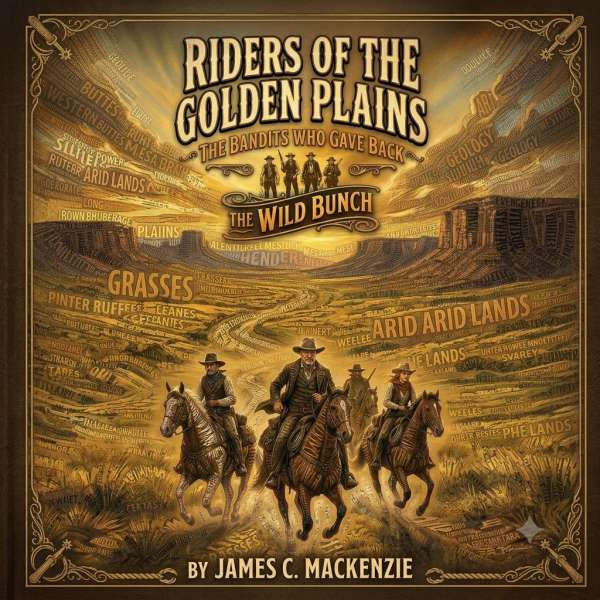


Riders of the Golden Plains: The Bandits Who Gave Back
A Cowpoke's Introduction to Misfits
In the wild, untamed stretches of the Golden Plains, a peculiar band of misfits roamed. These weren't your typical cowpokes, sporting ten-gallon hats and boots polished to a shine. No, these were the outcasts, the renegades, and the bandits who had forged their own path, living by a code that often baffled the law-abiding folks. They had a knack for robbing from the rich, but rather than lining their own pockets, they found joy in giving back to the poor. It was a curious existence, one that would make any self-respecting cowboy scratch his head in disbelief.
A Cowpoke's Introduction to Misfits
In the wild, untamed stretches of the Golden Plains, a peculiar band of misfits roamed. These weren't your typical cowpokes, sporting ten-gallon hats and boots polished to a shine. No, these were the outcasts, the renegades, and the bandits who had forged their own path, living by a code that often baffled the law-abiding folks. They had a knack for robbing from the rich, but rather than lining their own pockets, they found joy in giving back to the poor. It was a curious existence, one that would make any self-respecting cowboy scratch his head in disbelief.
Riders of the Golden Plains: The Bandits Who Gave Back
Chapter 1: The Wild Bunch on the Prairie
A Cowpoke's Introduction to Misfits
In the wild, untamed stretches of the Golden Plains, a peculiar band of misfits roamed. These weren't your typical cowpokes, sporting ten-gallon hats and boots polished to a shine. No, these were the outcasts, the renegades, and the bandits who had forged their own path, living by a code that often baffled the law-abiding folks. They had a knack for robbing from the rich, but rather than lining their own pockets, they found joy in giving back to the poor. It was a curious existence, one that would make any self-respecting cowboy scratch his head in disbelief.
The leader of this misfit crew was none other than Old Jeb, a grizzled cowboy with a heart of gold and a beard that looked like it had seen more dust storms than most townsfolk had. Jeb had a way of spinning tales that could charm the boots off a rattlesnake. He often regaled his companions with stories of how their latest escapades had left the wealthy scratching their heads while the less fortunate were feasting on a banquet of stolen riches. It wasn't just about the thrill of the heist; it was about the smiles they could bring to those who had little to cheer for.
Now, you might wonder what sort of misfits joined Jeb’s band. There was Sally, a sharpshooter whose aim was as deadly as her wit. Then there was Gus, a gentle giant with a penchant for cooking up the finest beans this side of the Mississippi. Together, they formed an unlikely family, bound by the belief that a good deed deserved a good laugh. The laughter echoed across the plains as they shared stories around the campfire, each one more ludicrous than the last, always with a moral that left everyone in stitches.
But it wasn’t all fun and games. The law was ever-watchful, and the local sheriff had a nose for trouble that could rival a bloodhound. While the misfits plotted their next heist, they had to outsmart the law and avoid the gallows. Yet, more often than not, they found themselves in sticky situations that required quick thinking and a whole lot of luck. It was this blend of danger and camaraderie that made their escapades legendary across the plains, leaving a trail of chuckles and gasps in their wake.
In this world of cowpokes and misfits, the lines between right and wrong blurred like the sunset over the horizon. As these outlaws rode into the sunset, they did so not just as thieves, but as champions for the downtrodden. Their legacy would be one of laughter, camaraderie, and a reminder that sometimes, the best way to fight injustice is with a hearty laugh and a generous heart. After all, who said bandits couldn't bring a little joy to the world?
The Golden Plains: A Place of Dust and Dreams
The Golden Plains, a vast expanse of sun-baked earth and tall grasses, beckon to those in search of adventure and fortune. Here, the wind carries whispers of dreams both realised and shattered, as men and women traverse the land, hoping for a better tomorrow. Dust swirls around the feet of weary travellers, painting a picture of resilience amidst the relentless sun. While the plains may seem barren, they are teeming with stories of those who dared to dream, and those who dared to steal from the greedy to share with the needy.
In this rugged terrain, the line between right and wrong becomes blurred, creating a haven for those who live by their own codes of honour. Outlaws, once branded as villains, ride the golden horizon with a sense of purpose — to challenge the status quo and to uplift the downtrodden. These bandits, with their hearts set on justice, become folk heroes, inspiring songs and tales that echo through the canyons. The Golden Plains, thus, become not just a backdrop for their exploits, but a character in its own right, shaping destinies and altering paths.
As the sun sets over the plains, it bathes the land in hues of gold and crimson, illuminating the faces of those who gather around campfires, sharing stories of bravery and camaraderie. They toast to the audacity of those who dare to rob from the rich, recognising that in this wild world, wealth is often unjustly hoarded. The laughter that dances around the flames is a testament to their shared struggles and triumphs, a reminder that hope can flourish even in the dustiest of places. Here, dreams are as plentiful as the stars that twinkle above, each one a promise of what could be.
But life on the Golden Plains is not without its challenges. The harsh reality of survival weighs heavily on those who call this place home. Droughts can turn lush fields into arid deserts, and the threat of rival outlaws looms ominously. Yet, these trials only serve to strengthen the bonds among the community. They learn to band together, pooling resources and skills, embodying the very spirit of giving back. In a land where kindness is as rare as a gentle rain, the acts of generosity shine brighter, creating ripples of hope that can lead to change.
Ultimately, the Golden Plains stand as a symbol of resilience, a testament to the indomitable spirit of those who inhabit them. They remind us that even in the face of adversity, dreams can thrive, and kindness can flourish. The tales of bandits who give back become legends, inspiring future generations to challenge injustice and seek a fairer world. In this place of dust and dreams, the legacy of those riders will continue to ride on, echoing through the ages as a reminder that every act of bravery starts with a single dream.
Chapter 2: The Great Train Heist
The Plan: More Holes Than Swiss Cheese
In the dusty backrooms of saloons and the dimly lit corners of general stores, the notorious bandits of the Golden Plains gathered to devise their next heist. It was a plan riddled with holes, more so than a block of Swiss cheese, yet the audacity of their scheme was almost admirable. They laughed heartily, slapping each other on the back, convinced that their charm and wit would see them through the inevitable mishaps that lay ahead. After all, what was a little chaos to a group of outlaws who thrived on the thrill of the chase?
The leader, a grizzled cowboy named Jake, leaned in with a conspiratorial grin, outlining their strategy on a dusty table. "We’ll hit the richest ranch in the territory just as the sun dips behind the mountains," he proclaimed, his eyes gleaming with mischief. The plan involved a series of improbable distractions: a runaway horse, a fake duel, and, of course, a local festival that would draw the town's attention away. Each element was more outlandish than the last, leaving the bandits in fits of laughter, oblivious to the sheer absurdity of their situation.
As they mapped out the details, it became apparent that the plan had more gaps than a sieve. "What if the horse doesn’t run?" mused one bandit, scratching his chin. "Or worse, what if the sheriff decides to attend the festival?" The laughter died down, replaced by a contemplative silence. Yet, it was this very uncertainty that fueled their determination; they preferred to chase dreams than face the drudgery of honest work.
Despite the risks, they conjured a sense of camaraderie that only the wild west could foster. The bandits knew that even with their shoddy plan, they had something that money couldn’t buy: a sense of belonging and purpose. They were more than mere thieves; they were the Robin Hoods of their time, ready to rob from the rich and give to the poor, even if their approach was a tad misguided.
As the day of the heist approached, the gang rallied around their dubious plan, each member contributing their own flair to the chaos. They donned disguises that ranged from ridiculous to downright embarrassing, fully aware that their success relied not just on the execution of the plan, but on the sheer unpredictability of the wild west itself. With a raucous cheer, they set off into the sunset, ready to embrace whatever fate had in store, armed with nothing but bravado and a plan full of holes.
The Execution: Bandits, Blunders, and Bad Luck
The execution of plans in the wild west often resembled a chaotic dance, where bandits would swagger into towns with grand ideas and leave behind a trail of blunders. These outlaws, armed with nothing but a sense of adventure and a few trusty sidearms, aimed to rob from the rich and give to the poor. However, their plans rarely unfolded as smoothly as envisioned. Instead, they often sparked unintended consequences, leading to raucous chases and comical misunderstandings. One can imagine the sight of a bandit tripping over his own boots while attempting to make a daring escape, much to the amusement of townsfolk watching from a distance.
As tales of banditry spread like wildfire across the plains, so did the legend of their bad luck. It seemed that every time they attempted a heist, fate had a knack for intervening at the most inopportune moments. Horses would bolt, guns would misfire, and what was meant to be a swift robbery turned into a slapstick comedy. One notorious gang, the Silver Spurs, famously managed to rob a bank only to find themselves locked inside when the door jammed, leaving them to ponder their next move while the sheriff enjoyed a leisurely cup of coffee outside.
But amidst the blunders and misfortunes, there were moments of sheer brilliance that showcased the bandits' wit. One memorable escapade involved a group of outlaws who, instead of stealing gold, decided to liberate a wagon full of baked goods destined for a wealthy landowner's banquet. The townsfolk cheered as the bandits joyfully distributed pies and pastries to the poor, turning a potential robbery into a sweet celebration. Such antics only added to the bandits' reputation as lovable rogues, despite their penchant for catastrophe.
Yet, it wasn't all laughter and merriment. The consequences of their actions often led to serious repercussions. The lawmen, not known for their sense of humour, would rally in pursuit, turning the once jovial atmosphere into a high-stakes game of cat and mouse. Bandits would find themselves outsmarted by their own blunders, leading to moments of sheer panic as they scrambled to avoid capture. The image of a cowboy hiding behind a barrel, heart racing, while trying to catch his breath is a testament to the unpredictability of their lives.
In the end, the execution of their plans was a blend of daring escapades, unfortunate mishaps, and the unpredictable hand of fate. The wild west was a theatre of absurdity where bandits, despite their best intentions, often fell prey to their own blunders and bad luck. Their legacy, however, remained one of camaraderie and mischief, reminding us that even in the face of adversity, there is always room for a good laugh and a slice of pie.
Chapter 3: The Bandit Code
Robbing from the Rich: A Very Noble Pursuit
In the rugged expanse of the Wild West, tales of bandits robbing from the rich to aid the poor emerged as a popular narrative. These outlaws, often romanticised as modern-day Robin Hoods, became folk heroes in their own right. With their daring escapades, they captured the imagination of the common folk, who found solace in their actions against the wealthy elite. The very notion that a bandit could possess a moral compass, despite their lawless ways, added an intriguing layer to their character.
The thrill of the chase, the galloping horses, and the sound of gunfire became synonymous with these noble pursuits. Bandits, armed with their wits and charm, would orchestrate heists with remarkable precision. They often targeted the affluent, who were seen as greedy and indifferent to the plight of the less fortunate. This gave rise to a culture where stealing from the rich was not just accepted but celebrated, transforming these outlaws into legends.
However, the question remains: were these bandits truly noble, or were they simply self-serving? Many would argue that their noble cause was frequently overshadowed by their reckless behaviour. After all, while they claimed to distribute wealth to the needy, there were instances where their actions inadvertently harmed those they intended to help. The fine line between heroism and villainy often blurred in the dusty trails of the plains.
As the dust settled after each heist, tales of these bandits grew larger than life. They became symbols of resistance against oppression, embodying the spirit of the downtrodden. Local communities would rally behind them, viewing their actions as a form of rebellion against unfair societal structures. In a world where the law was often skewed in favour of the rich, these bandits offered a glimmer of hope to the desperate and downtrodden.
In retrospect, robbing from the rich may have been a very noble pursuit, albeit a wildly chaotic one. The bandits of the golden plains left behind a legacy of daring escapades and moral dilemmas. They challenged the status quo and ignited debates about wealth distribution and justice. Through their antics, they reminded us that sometimes, the line between right and wrong is not as clear as one might hope, especially in a world where the rich keep getting richer, and the poor remain just as poor.
Giving to the Poor: The Most Fun You Can Have with a Sack of Gold
In the wild expanse of the Golden Plains, it was often said that a sack of gold could bring more joy than a barrel of whiskey. The notorious bandits, a merry band of misfits, knew this better than anyone. Instead of hoarding their ill-gotten gains, they found that their greatest pleasure came from distributing wealth among the less fortunate. The thrill of giving, rather than taking, became their true adventure, transforming them into unlikely heroes of the frontier.
Picture the scene: under the cover of night, the bandits would sneak into towns, their hearts racing with excitement. Disguised as ordinary folk, they would leave coins and treasures at the doorsteps of those in need. The unsuspecting recipients would awaken to find a sack of gold, their eyes wide with disbelief and joy. This joyful act of generosity turned their nightly escapades into a game, one that was far more enjoyable than any robbery they could have attempted.
The bandits relished the reactions of the townsfolk, each surprised gasp and gleeful shout of gratitude feeding their spirits. They would often gather around a campfire, sharing stories of their night’s work and laughing heartily at the chaos they left behind. The camaraderie that developed among them was stronger than any bond forged through crime. Each act of kindness became a tale worth telling, filled with laughter and a sense of purpose that no amount of gold could buy.
As their legend grew, the townsfolk began to anticipate the bandits' visits. Children would leave out cookies, hoping to catch a glimpse of these modern-day Robin Hoods. The bandits became symbols of hope, showing that even in a world filled with greed, kindness could thrive. The thrill of giving to the poor turned into a tradition, with each sack of gold marking a new chapter in their wild escapade across the plains.
In the end, the bandits discovered that the most fun they could have with a sack of gold was not in the act of stealing, but in the joy of giving it away. Their laughter echoed through the canyons, a reminder that sometimes, the greatest treasures are found not in what you keep, but in what you share. And so they rode on, a band of merry men, proving that even bandits could have hearts of gold, transforming the Wild West into a place where generosity reigned supreme.
Chapter 4: The Law and Disorder
Sheriff Bumbles: The Lawman with a Heart of Gold
In the dusty town of Willow Creek, Sheriff Bumbles was a lawman unlike any other. With his large, floppy hat and oversized boots, he often stumbled more than he strutted. Yet, beneath his clumsy exterior lay a heart of gold, always ready to lend a hand to those in need. The townsfolk loved him, not just for his unwavering commitment to justice, but also for his endearing mishaps that brought laughter to their otherwise hard lives.
Bumbles had an uncanny ability to turn a serious situation into a comical affair. On one occasion, while attempting to apprehend a gang of bandits who had been robbing the rich, he tripped over a stray dog and landed face-first in a barrel of apples. The bandits, rather than fleeing, burst into laughter, and even offered him a slice of pie as he pulled himself out, covered in fruit. It was moments like these that showcased not only his charm but also a unique bond he formed with the very people he was meant to catch.
Despite his blunders, Sheriff Bumbles had a knack for solving crimes in his own peculiar way. He believed that understanding the bandits' plight was key to bringing them to justice. Instead of locking them away, he often found creative solutions that involved negotiating deals or even helping them find honest work. His unusual methods earned him both respect and a few raised eyebrows, but he never wavered from his belief that a little kindness could go a long way.
As stories of his antics spread, Sheriff Bumbles became a local legend, known for his whimsical approach to law enforcement. The bandits, who started as rogues in the night, began to see the sheriff as a friend rather than an enemy. They would often leave behind a portion of their loot for the townsfolk, knowing that Bumbles would find a way to distribute it fairly, ensuring that no one went hungry. It was a peculiar arrangement, but one that worked wonders in fostering a sense of community.
In the end, Sheriff Bumbles was more than just a lawman; he was a symbol of hope and humour in a world that often felt bleak. His misadventures reminded the people of Willow Creek that laughter could be found even in the darkest of times. As he rode off into the sunset, his silhouette framed by the vibrant hues of the western sky, the townsfolk knew they were safe not just because of the law, but because of a sheriff with a heart of gold who saw the best in everyone, bandits included.
The Bandits' Reputation: Misunderstood Rogues
In the heart of the wild west, bandits were often painted as ruthless outlaws, but the truth is far more nuanced. These misunderstood rogues, with their weathered hats and worn-out boots, were not just thieves; they were symbols of rebellion against an unjust system. Many of them had once been honest men, driven to the edge by the greed of wealthier landowners and corrupt officials. Their exploits were not merely acts of desperation but also a form of social commentary, highlighting the stark divide between the rich and the poor in those lawless times.
The bandits' reputation as villains was largely a result of the tales spun by those in power. Newspapers, often swayed by the interests of the elite, painted these men as heartless criminals, overlooking the fact that they frequently distributed their spoils among struggling families. Instead of being seen as heroes, they were branded as outlaws, their good deeds buried beneath sensational headlines. This created a dichotomy that would haunt their legacy, as the true motivations behind their actions remained cloaked in shadows.
In many ways, these bandits served as the Robin Hoods of the plains, stealing from the wealthy to provide for the downtrodden. Their actions, while illegal, were often rooted in a desire for justice. They understood the hardships faced by the common folk – the hunger, the longing for a better life, and the crushing weight of poverty that shackled their communities. By robbing those who had more than enough, they aimed to level the playing field, even if it meant breaking the law.
However, the reality of their lives was far from romantic. The bandits faced constant danger, not only from the law but also from rival gangs and the harsh environment of the plains. Many met untimely ends, their stories fading into legend. Yet, those who survived carried the weight of their choices, grappling with the moral complexities of their actions. Were they truly heroes, or merely criminals in the eyes of society? This question lingered long after their dust had settled.
Ultimately, the legacy of the bandits is a testament to the complexity of human nature. They are often remembered for their daring escapades, but their true essence lies in their defiance against oppression and their willingness to stand up for the underprivileged. In a world that often judges based on appearances, the bandits remind us that the line between good and evil is often blurred, and sometimes, the most misunderstood individuals are those who dare to challenge the status quo.
Chapter 5: The Unlikely Allies
The Townsfolk: From Fear to Favour
In the dusty heart of the Golden Plains, the townsfolk were initially gripped by fear when the notorious bandits rode into their lives. Tales of their daring heists spread like wildfire, leaving a trail of dread that wrapped around the town like a thick fog. Merchants whispered behind closed doors, and mothers hushed their children, warning them of the men who robbed from the rich and left them quaking in their boots. Yet, amidst this fear, something unexpected began to unfold, as the bandits showed a different side that would soon turn the tide of public opinion.
As the bandits made their presence known, they began to distribute their ill-gotten gains to the very townsfolk they had once terrorised. The first act of generosity came one fateful night when they slipped into the local tavern, their saddlebags overflowing with gold and silver. Instead of keeping it all for themselves, they tossed coins to the patrons, urging them to buy food, clothes, and supplies for their families. This act of cheeky benevolence sparked a change in the townspeople's hearts, transforming their fear into a flicker of hope.
Word spread quickly about the bandits' generosity, and the once fearful townsfolk began to see them in a new light. What had started as a mere survival mechanism turned into a sense of camaraderie. The bandits were no longer the dreaded outlaws; they had become unlikely heroes, and the townsfolk began to rally behind them. They shared stories of their struggles and aspirations, weaving a bond that was stronger than any gallows or wanted poster could sever.
However, not everyone was ready to embrace this change. A faction of the townspeople, still clinging to the old tales of villainy, protested against the bandits' actions. They argued that no good could come from those who took what wasn't theirs. But as the bandits continued to care for the community, even the most stubborn hearts began to soften. The townsfolk realised that these bandits were not just thieves; they were a lifeline in a world where hope had all but vanished.
Eventually, the townsfolk transformed their fear into favour, celebrating the bandits as part of their community. Festivals were held in honour of the riders, and songs were sung about the bandits who gave back. The town that once trembled in fear now stood united, raising glasses to the very outlaws who had changed their fate. The fear that once defined their relationship had blossomed into an unexpected friendship, proving that even in the wildest of westerns, redemption can come from the most unlikely of sources.
The Rival Gang: Friends or Foes?
In the heart of the Golden Plains, a rivalry brewed that was as fierce as the midday sun. The Dusty Riders and the Silver Spurs had long been at odds, their skirmishes echoing through the canyons. Yet, amidst the dust and gunfire, the line between friendship and enmity began to blur. Both gangs had a common goal: to rob from the rich and give to the poor, but their methods and philosophies often clashed like two rams butting heads. The townsfolk watched with bated breath, unsure whether to cheer for their local heroes or fear for their livelihoods.
The Dusty Riders were known for their audacious heists, striking with a flair that left the wealthiest of the town gasping in shock. They believed in making a spectacle of their robberies, often leaving behind a calling card that read, "For the Gold of the Many!" This flamboyant approach, while entertaining, sometimes drew the ire of the Silver Spurs, who preferred a more subtle touch. The Spurs operated in shadows, their heists executed with the precision of a well-oiled machine. Their motto, "Stealth over Showmanship," reflected a philosophy that valued the end over the means, leading to heated debates between the two factions.
Despite their differences, a peculiar camaraderie developed between the gangs, particularly among some of the younger members who saw value in collaboration. They began to share resources and intelligence, helping each other evade the ever-watchful eye of the law. This unusual alliance raised eyebrows in the townsfolk, who were torn between admiration for their cunning and concern over their increasingly bold escapades. The rivalry, once purely antagonistic, transformed into a complex relationship marked by reluctant respect and the occasional joint venture against a common enemy: the corrupt local officials.
However, not all members were keen on this newfound friendship. The leaders of both gangs, steeped in tradition and pride, were hesitant to let go of their long-standing animosity. They often clashed, their bickering echoing through the saloons as they argued over who deserved the title of the true champions of the people. This tension came to a head during a fateful confrontation at the annual town fair, where both gangs aimed to impress the townsfolk with their latest escapades. The stakes were high, and the townsfolk couldn’t help but wonder if this showdown would solidify their rivalry or forge an unprecedented alliance.
As the dust settled from their encounters, both gangs learned that friendship could be just as powerful as enmity. They realised that their strengths complemented each other and that together they could achieve more than they ever could alone. The rivalry that once defined them began to evolve into a partnership, albeit a rocky one. In the end, the question remained: would the Dusty Riders and the Silver Spurs continue as friends or foes, or could they find a way to unite for the greater good of the Golden Plains? Only time would tell, but one thing was certain—they were in for one wild ride!
Chapter 6: A Day in the Life of a Bandit
Breakfast of Champions: Beans and Bad Decisions
In the heart of the wild west, as the sun peeked over the dusty horizon, the breakfast of champions was served: a generous helping of beans cooked over a crackling campfire. The aroma wafted through the air, mingling with the scent of leather and horse sweat, while the bandits—those notorious outlaws with a heart of gold—gathered around for their morning ritual. Beans, the humble staple of many a cowboy, were more than just food; they were a symbol of camaraderie and bad decisions made over too many nights of revelry.
As the bandits dug into their hearty meal, tales of their misdeeds and misadventures began to flow as freely as the coffee. One might say that beans fuelled more than just their bodies; they ignited the wild imaginings of their next escapade. With each spoonful, stories of daring robberies and narrow escapes were shared, often punctuated by raucous laughter and the occasional belch, which only added to the charm of their rugged lifestyle. However, it was often the bad decisions made in these moments of camaraderie that led to their most memorable escapades.
The bandits were known for their audacity, robbing from the rich to fill the bellies of the poor. Yet, it was during these breakfast meetings that plans would sometimes go awry, leading to more than a few misadventures. One morning, inspired by a particularly hearty helping of beans, they hatched a scheme to liberate a wealthy landowner's prized horse. Instead of a smooth getaway, they ended up with a runaway cart filled with beans instead, leaving behind a trail of laughter and a rather disgruntled horse.
Despite the chaos, there was a certain magic in these moments; the bandits thrived on the thrill of the unexpected. Each breakfast was a reminder that even the best-laid plans could be derailed by too many beans or a poorly timed joke. It was this blend of camaraderie, breakfast, and the promise of mischief that solidified their bond, making them a family of sorts, even if that family was built on questionable choices and a few too many bad decisions.
Ultimately, these breakfasts weren't just about sustenance; they were the glue that held the band together. The beans served as a metaphor for their lives—simple, messy, and often unpredictable. As they wrapped up their meals and prepared for another day of daring deeds, one thing was clear: in the wild west, a good breakfast could lead to the worst decisions, but those decisions often made for the best stories.
The Art of the Getaway: Galloping with Style
In the dust-laden air of the Wild West, the art of the getaway became a finely honed skill, much like the crafting of a well-worn saddle. Bandits of the plains knew that a swift escape was as crucial as a well-planned heist. With the wind in their hair and the sun setting behind them, they galloped away from the scene, leaving behind nothing but the echoes of their laughter and the bewilderment of their pursuers. Each ride was a ballet of speed and style, a showcase of both bravado and finesse that would leave even the most seasoned cowpokes in awe.
It wasn't merely about speed; it was about the flair with which one conducted their escape. Riders would often dress in flamboyant attire, capes billowing in the wind and hats tipped just so, ensuring that their exit was as memorable as their grand entrance. The showmanship of their gallops was a testament to their character; they weren't just robbers, they were performers in the grand theatre of the frontier. Each getaway was a chance to strut their stuff, flaunting their skills while ensuring that the rich learned a valuable lesson about sharing their wealth.
The choice of horse played a pivotal role in these daring escapades. A trusty steed was more than just a mode of transport; it was a partner in crime, a confidant in the chaos. Bandits took great pride in selecting horses that matched their personality and style. A well-matched duo could execute a flawless escape, disappearing into the horizon as if they were taking part in a grand gallop from a storybook. This relationship between rider and horse was a bond forged in the fires of adventure, where every hoofbeat matched the heartbeat of a rebel soul.
As the bandits galloped into the sunset, they often left behind a trail of captivated onlookers. Spectators couldn't help but cheer for these outlaws who, in their own peculiar way, balanced the scales of justice. They became legends in their own right, their names whispered in awe and admiration. The thrill of the chase became a celebrated part of the local lore, where the rich were reminded that their wealth could be fleeting, while the spirit of the underdog was as enduring as the prairie itself.
In the end, the art of the getaway was not just about escape; it was a celebration of freedom, rebellion, and style. Bandits of the Golden Plains turned their exploits into a form of high art, galloping with flair and leaving a legacy that would be remembered long after the dust settled. In a world that often seemed unjust, they became the gallant knights of a new frontier, forever riding into the sunset with a wink and a nod, challenging the status quo with every daring escapade.
Chapter 7: The Not-So-Great Escape
Traps, Tricks, and Terrible Timing
In the wild and untamed expanse of the Golden Plains, the bandits were not mere thieves; they were cunning strategists who danced along the thin line between heroism and villainy. With every heist meticulously planned, they turned the tables on the wealthy, leaving behind only tales of their audacious exploits. However, the path of a bandit was laden with traps, tricks, and, of course, terrible timing, which often led to the most unexpected outcomes. Just when they thought they had outsmarted their wealthy foes, fate had a way of throwing a spanner in the works, leading to moments of chaos that would be talked about for generations.
One notorious escapade involved a cleverly laid trap at a lavish estate, where the bandits intended to steal a fortune in gold coins. With disguises and a ruse that would make even the sharpest detective scratch their head, they infiltrated the party of the rich. Yet, as they made their move, it became apparent that their timing was off; the household dog, a notorious barker, had been waiting for the perfect moment to expose the intruders. The ensuing chaos was nothing short of comedic, as guests scrambled in all directions, and the bandits, caught off guard, had no choice but to flee, gold coins clinking wildly in their pockets.
Another tale of terrible timing involved a heist planned during a thunderous storm. The bandits, believing the inclement weather would deter any would-be heroes from chasing them, decided to strike at the heart of a well-guarded bank. However, the storm’s severity caused the pump house to flood, leading to a series of unfortunate events. With the streets awash, their getaway horse was spooked, resulting in a farcical chase through the mud, much to the amusement of onlookers who had braved the rain to witness the spectacle. The bandits, now mud-splattered and dishevelled, could only laugh at their own misfortune.
Humour often played a crucial role in their adventures, as their audacity sometimes led them into the most ludicrous situations. On one occasion, a bandit tried to pull off a trick where he disguised himself as a wealthy landowner, only to be recognised by his own mother, who had come to the town market. The ensuing family squabble, complete with threats of disinheritance, left the other bandits doubled over in laughter, while the ‘wealthy’ landowner scampered away, his plans for riches dashed by familial ties. It was moments like these that shone a light on the absurdity of their lives and the unpredictable nature of their escapades.
Ultimately, the tales of traps, tricks, and terrible timing became the stuff of legend among the people of the Golden Plains. The bandits, with their propensity for mischief and charming blunders, turned what could have been grim tales of crime into humorous anecdotes that enriched the culture of the plains. Each failure, each burst of laughter, and each cleverly executed plan gone awry added to their reputation as the lovable rogues who, despite their misdeeds, had a heart for the downtrodden. In the end, it wasn’t just about robbing the rich; it was about entertaining the masses and leaving behind a legacy of laughter amidst the dust and grit of the Wild West.
The Chase: Hoofbeats and Hilarity
The sun had just begun to dip behind the rugged hills of the Golden Plains when the chaos erupted. Dust clouds danced in the air as the notorious bandits, known for their outlandish antics, took to their steeds in an uproarious chase. With a mixture of whoops and laughter, they galloped after the unsuspecting stagecoach, their laughter ringing out like a wild symphony of mischief. It was a sight to behold, a cavalcade of woefully mismatched riders, all eager to catch up with their prize while trying not to fall off their horses in the process.
As the chase unfolded, the bandits found themselves entangled in a comical series of mishaps. One rider, who fancied himself a master equestrian, accidentally dropped his hat, which flew off his head like a startled bird. Another, overly confident in his abilities, attempted to leap a small fence but ended up tumbling headfirst into a haystack, sending feathers and straw flying. The air was thick with laughter, and for a moment, the seriousness of their mission faded into a playful jest as they rallied to help their fallen comrade.
Suddenly, the stagecoach driver, an older gentleman with a handlebar moustache that could rival any villain, noticed the ruckus behind him. Instead of panic, a bemused grin spread across his face. He urged his horses faster, invoking a sense of competition that turned the whole chase into a ridiculous race. The bandits found themselves not only robbing from the rich but also engaging in a delightful game of tag, filled with laughter and the sound of hoofbeats echoing across the plains.
In the midst of this hilarious pursuit, the bandits realised that their reputation for being ruthless robbers was turning into legendary tales of comic relief. By the time they finally caught up with the stagecoach, it was not the gold they were after but the joy of the chase itself. They threw a few coins into the air, much to the surprise of the driver, who couldn't help but chuckle at the absurdity of it all. "You lot are mad!" he shouted, shaking his head in disbelief.
As the sun set behind the horizon, casting a golden glow over the scene, the bandits rode off into the distance, still laughing and shouting. The chase had become a cherished memory, a reminder that even in the Wild West, where danger lurked at every corner, there was always room for a bit of hilarity. They may have robbed from the rich, but it was the joy and laughter they gave back that truly defined them, making their escapades legendary on the Golden Plains.
Chapter 8: A Change of Heart
The Bandits' Realisation: More Than Just Gold
In the dusty expanse of the Golden Plains, the bandits had always been driven by the allure of gold. However, as they galloped through the swirling sands and endless horizons, a deeper realisation began to dawn upon them. They were not merely taking from the rich; they were becoming unwitting champions of the downtrodden. It was a curious twist of fate that their outlaw lives would intertwine with the struggles of those they once ignored.
As the bandits returned to their hideout after a particularly daring heist, a group of villagers approached them with desperate eyes. It was then that the bandits saw the faces of the people they had been robbing. The tales of hunger and hardship filled the air, stirring something within the hardened hearts of these outlaws. For the first time, they began to understand the weight of their actions, realising that their escapades were more than just a quest for gold; they could be a force for good.
This newfound perspective sparked a debate among the bandits. Some argued that they should continue their ways, taking from the rich and keeping the spoils for themselves. Yet, others felt a growing sense of responsibility towards the very people they had once overlooked. They pondered whether their notoriety could be redirected towards a more noble cause, turning their infamous reputation into a symbol of hope rather than fear.
Encouraged by this shift in mindset, they devised a plan to share their bounty with those in need. They would still ride under the cover of darkness, but instead of hoarding their treasures, they would leave behind gold coins and provisions at the doorsteps of struggling families. The thrill of the heist was now accompanied by the warmth of giving, transforming their escapades into a legend that would echo through the ages.
In this unexpected journey of self-discovery, the bandits learned that the true treasure lay not in the gold itself but in the smiles of the people they helped. They became more than mere outlaws; they evolved into folk heroes who dared to challenge the status quo. As word spread of their benevolent acts, the bandits found themselves at the heart of a movement, inspiring others to reconsider their paths. The Golden Plains were forever changed, as the line between right and wrong blurred, revealing a new reality where even the most notorious of bandits could embody the spirit of generosity.
The Town's Transformation: From Fear to Festivity
In the heart of the Golden Plains, a remarkable transformation was brewing. The once fearful town, haunted by the spectres of banditry, began to shake off its shrouded past. The arrival of the infamous Riders, known not just for their daring escapades but for their unexpected generosity, sparked a change that was as intoxicating as a strong cup of cowboy coffee. The townsfolk, once cowering behind locked doors, started to emerge with cautious hope, ready to embrace a new chapter in their lives.
As the Riders distributed their ill-gotten gains, the atmosphere shifted from one of trepidation to a buoyant sense of festivity. What began as whispers of “the bandits are coming” turned into eager chatter about the “Riders’ return.” Families who had once struggled to put food on the table were now able to celebrate with feasts. The streets, once echoing with silence, now resonated with laughter and music, as town gatherings transformed into jubilant festivals complete with pies, dances, and a fair bit of line dancing that would make any cowboy proud.
With every stolen coin that was returned, the town began to thrive. The local saloon, which had once been a den of despair, turned into a lively hub of community spirit. People gathered not just to drink, but to share stories of their newfound prosperity and the Riders’ latest exploits. The bartender, who had previously served only grim faces, found himself pouring drinks for folks celebrating life, love, and the odd bit of mischief that seemed to follow the Riders wherever they roamed.
The transformation wasn't just physical; it was deeply emotional. Children who had once played in fear began to run freely, their laughter piercing through the air like a joyful melody. The townsfolk, inspired by the Riders' example, began to give back themselves. They organised charity events, raised funds for the less fortunate, and even started a community garden. The spirit of giving took root, and the town blossomed into a vibrant tapestry of camaraderie and support, turning the once bleak landscape into a flourishing oasis.
As the sun set on the Golden Plains, the town stood as a testament to the power of change. From fear to festivity, the journey of transformation was nothing short of miraculous. The Riders had not only robbed from the rich but had also sparked a revolution of kindness that reshaped the very fabric of their community. With each passing day, the town grew closer, united in their shared experiences of joy, laughter, and the occasional shenanigan that only a band of merry bandits could inspire.
Chapter 9: The Final Showdown
The Rival Gang's Last Stand
In the heart of the Golden Plains, tensions escalated as the rival gang prepared for their last stand. Led by the notorious Buck Hargrove, they were known for their ruthless tactics and a penchant for causing mayhem wherever they roamed. The townsfolk had grown weary of their antics, and the Riders knew it was time to confront this menace once and for all. With the sun setting behind the dusty hills, the atmosphere was charged with anticipation and a hint of dread.
The Riders, armed with their unwavering sense of justice and a few well-placed tricks up their sleeves, approached the rival gang’s hideout. They were not just bandits; they were protectors of the underdog, and this was their moment to shine. As they neared the crumbling barn that served as the rival gang's fortress, they could hear the raucous laughter and clinking of bottles emanating from within. It was as if Buck and his crew were completely oblivious to the storm that was brewing outside.
With a battle plan as audacious as it was clever, the Riders initiated their attack. They charged in with a cacophony of whoops and hollers, catching the rival gang off guard. Buck Hargrove, startled from his drunken stupor, scrambled to rally his men, but it was too late. The Riders had the element of surprise on their side and a few firecrackers that sent the rival gang into a frenzy, scattering like startled chickens.
As the skirmish unfolded, it became clear that the rival gang was outmatched. The Riders, with their superior strategy and sheer determination, managed to outwit Buck’s crew at every turn. The sound of hooves thundering against the earth echoed through the plains as the townsfolk watched in awe. It was a scene straight out of a legend, where the bandits who roamed the land for justice were finally putting an end to the tyranny of their rivals.
In the end, the dust settled and the Riders emerged victorious, having turned the tide against Buck Hargrove and his gang for good. The townsfolk erupted in cheers, grateful for the bravery displayed by those who had once been seen as outlaws. The last stand had not only rid them of a menace but had also solidified the Riders' reputation as heroes of the Golden Plains. As they rode away into the sunset, it was clear that their legend would live on, a testament to the spirit of the wild west, where even the bandits could give back.
Bandits, Bandanas, and a Bounty of Laughter
In the wild expanse of the Golden Plains, where the sun kissed the horizon with hues of orange and pink, bandits roamed. Clad in their signature bandanas, these mischief-makers were not the fearsome villains one might expect. Instead, they were a motley crew of jolly robbers, known for their outlandish antics and a peculiar sense of justice. With a wink and a grin, they would gallop into town, not to instil fear, but to redistribute the wealth from the greedy to the needy, all while keeping the townsfolk in stitches with their antics.
Each robbery was more of a theatrical performance than a heist. The bandits would often stop mid-robbery to share a laugh, telling jokes that had even the most hardened sheriff chuckling. “Why did the cowboy buy a dachshund?” one would bellow. “Because someone told him to get a long little doggie!” These moments of humour transformed what could have been a terrifying encounter into something akin to a raucous carnival, leaving townsfolk both amused and relieved.
However, the bandits had a code - they never stole from those who truly struggled. Instead, their targets were the wealthy landowners who hoarded gold like squirrels stashing acorns. With a swift swipe, they would fill their saddlebags with ill-gotten gains and ride off, leaving behind a trail of laughter and a promise of a brighter tomorrow for the townsfolk. Their reputation grew, not just as robbers, but as unlikely heroes who brought joy and laughter along with their bounty.
One particularly memorable escapade involved a heist at the local bank. As the bandits burst through the doors, instead of shouting commands, they began a spontaneous dance-off with the bank tellers. The sight of burly bandits twirling and twanging as they attempted to outdo one another in a dance of hilarity was too much for the townsfolk to handle. When the dust settled, they had not only taken the gold but also left the bank filled with laughter, with the tellers swearing to join them next time, just for the fun of it.
In the end, these bandits, with their bandanas and joy-infused missions, became legends in their own right. They were the Robin Hoods of the wild west, not just for their charitable deeds, but for the laughter they spread across the plains. Their stories echoed through saloons and campfires, a reminder that sometimes, a good laugh is the best treasure of all, and that even in a world of outlaws, joy can be found in the most unexpected places.
Chapter 10: A Legacy of Laughter
The Golden Plains: A Place of Peace
The Golden Plains stretched as far as the eye could see, a vast expanse of shimmering grasslands that whispered tales of the wild west. This serene landscape, untouched by the chaos of the world, provided a haven for those weary of the relentless pursuit of wealth. The gentle breeze carried the scent of wildflowers, and the sun's warm embrace created a comforting atmosphere, making it a perfect refuge for outlaws and dreamers alike. Here, amidst the rolling hills, the bandits found a sense of peace that was often elusive in their tumultuous lives.
Life on the Golden Plains was a curious blend of simplicity and adventure. The bandits, known for their daring escapades, often took a moment to pause and appreciate the beauty surrounding them. With campfires crackling under the starry sky, they shared stories of their exploits with laughter echoing across the plains. In this tranquil setting, the line between villain and hero blurred, as the outlaws became protectors of the land, ensuring that the spoils of their misdeeds were shared with those less fortunate.
Although many viewed them as rogues, the bandits of the Golden Plains were driven by a peculiar sense of justice. They would rob from the rich, but only to fill the pockets of the poor, creating a peculiar balance in their lawless world. This unconventional approach to morality fostered a unique community that thrived on camaraderie and mutual support. The Golden Plains became a sanctuary where the misfits found a sense of belonging, united by their shared desire to make a difference, however unconventional it may have been.
In the heart of the plains, a small settlement emerged, where outlaws and townsfolk coexisted in a delicate harmony. The bandits, once feared for their exploits, became local legends, their tales woven into the fabric of the community. Children played under the watchful eyes of their parents, often hearing stories of the daring bandits who had once stolen from the rich to feed the hungry. This transformation of perception showcased the power of redemption, proving that even the most notorious characters could become symbols of hope.
As the sun dipped below the horizon, casting a golden glow over the plains, it was evident that this land was more than just a backdrop for banditry; it was a place where peace and purpose intertwined. The Golden Plains stood as a testament to the idea that even in a world riddled with conflict, moments of serenity could thrive. Here, amidst the laughter and camaraderie, the bandits found not only a home but also a chance to give back, leaving behind a legacy far richer than any stolen gold.
Bandits, Heroes, and a Bit of Folly
In the heart of the wild west, where the sun blazed down on dusty trails, the line between bandit and hero often blurred. Tales of outlaws robbing from the rich to give to the poor became the stuff of legend. These bandits, with their scruffy beards and ragged hats, were not just thieves; they were symbols of rebellion against the oppressive forces that ruled over the frontier. The townsfolk, despite their better judgement, often found themselves rooting for these scallywags, hoping for a little chaos to disrupt the monotony of their daily lives.
Amongst the rough and tumble of this lawless land, a few characters stood out as champions of the downtrodden. Take Old Jack, for instance, who was as notorious for his heists as he was for his terrible singing. His attempts to serenade the townsfolk often sent them scurrying in laughter rather than admiration. Yet, when he shared his spoils with the needy, even the most hardened of hearts couldn’t help but cheer. Old Jack was a comedic paradox, a bandit with a heart of gold – or perhaps just a heart with a penchant for mischief.
Then there was the infamous duo of Daisy and Dusty, a pair of siblings who made a name for themselves by outsmarting the local sheriff at every turn. With Daisy's quick wit and Dusty's knack for elaborate disguises, they pulled off heists that left the town buzzing with excitement. The sheriff, a bumbling fool who often found himself on the wrong end of their pranks, ultimately became a beloved part of the narrative. The townsfolk revelled in the folly, making them heroes in their own right, while the sheriff unwittingly played the role of the jester.
Yet, not every escapade ended in glory. There were moments of folly that even the most daring bandits couldn’t escape. A particularly infamous robbery attempted by Old Jack went hilariously awry when he accidentally locked himself in the town's jail while trying to impress the locals with his bravado. The sight of him waving through the bars, red-faced and flustered, became a favourite story told around campfires, illustrating that even the most daring can have their moments of utter ridiculousness.
Ultimately, the tales of bandits, heroes, and their follies served a greater purpose. They brought laughter and unity to a rugged land, reminding everyone that even in the darkest times, a bit of humour and a dash of daring could spark joy. The wild west was not merely a backdrop for crime; it was a stage where legends were born, and laughter echoed through the canyons, proving that sometimes, the line between right and wrong is just a matter of perspective – and perhaps a little bit of folly.
Onlangs beluisterd door


Geen reacties gevonden
Meer nummers