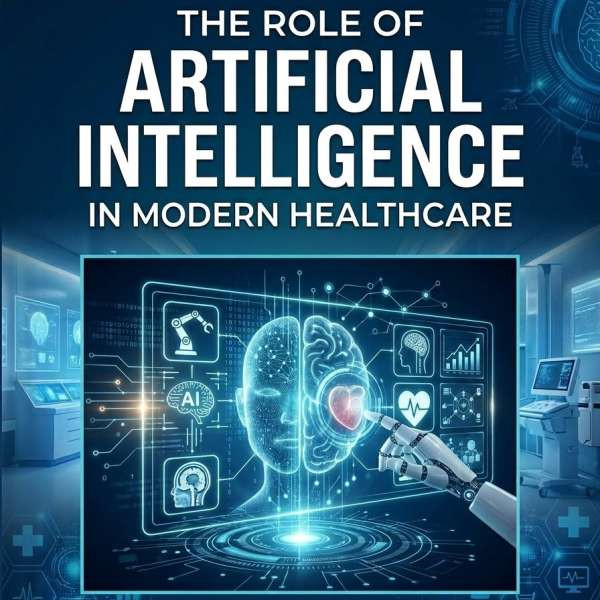


Introduction to Artificial Intelligence in Healthcare Definition of Artificial Intelligence
rtificial Intelligence (AI) in healthcare refers to the utilisation of computer systems to perform tasks that typically require human intelligence. It encompasses various technologies, including machine learning, natural language processing, and robotics, which enable machines to learn from data, interpret information, and make decisions. By mimicking cognitive functions, AI is revolutionising the way healthcare services are delivered, enhancing efficiency and improving patient outcomes.
One of the primary applications of AI in healthcare is in diagnostics. AI systems can analyse medical images, such as X-rays and MRIs, with remarkable accuracy, often surpassing human capabilities. These systems are trained using vast datasets, enabling them to identify patterns and anomalies that might be missed by human eyes. This not only speeds up the diagnostic process but also reduces the likelihood of errors, leading to faster and more effective treatment plans for patients.
AI is also making significant strides in personalised medicine. By analysing a patient's unique genetic makeup and medical history, AI algorithms can recommend tailored treatment options that are more likely to be effective. This approach moves away from the traditional one-size-fits-all model, allowing for more precise interventions that consider individual variations. As a result, patients can benefit from therapies that are specifically designed for their unique conditions.
Moreover, AI technologies are transforming patient engagement and management. Chatbots and virtual assistants are being used to provide 24/7 support, answering queries and assisting patients in managing their health. These tools enhance communication between patients and healthcare providers, ensuring that patients receive timely information and guidance. This increased interaction not only improves patient satisfaction but also encourages adherence to treatment regimens.
Finally, the integration of AI into healthcare systems paves the way for predictive analytics. By analysing trends and data, AI can forecast potential health crises, enabling healthcare providers to take proactive measures. This capability is particularly valuable in managing public health issues, such as epidemics, where early intervention can save lives. As AI continues to evolve, its potential to reshape healthcare is boundless, promising a future where technology and human intelligence work hand in hand for better health outcomes.
Historical Context of AI in Medicine
हाल ही में सुने


कोई टिप्पणी नहीं मिली
अधिक ट्रैक